Blog

  • Detailed Information of BioPin's MSDS Document——Take Example of 1060-H18 0.012mm battery aluminum foil
    Detailed Information of BioPin's MSDS Document——Take Example of 1060-H18 0.012mm battery aluminum foil
    Sep 29, 2026
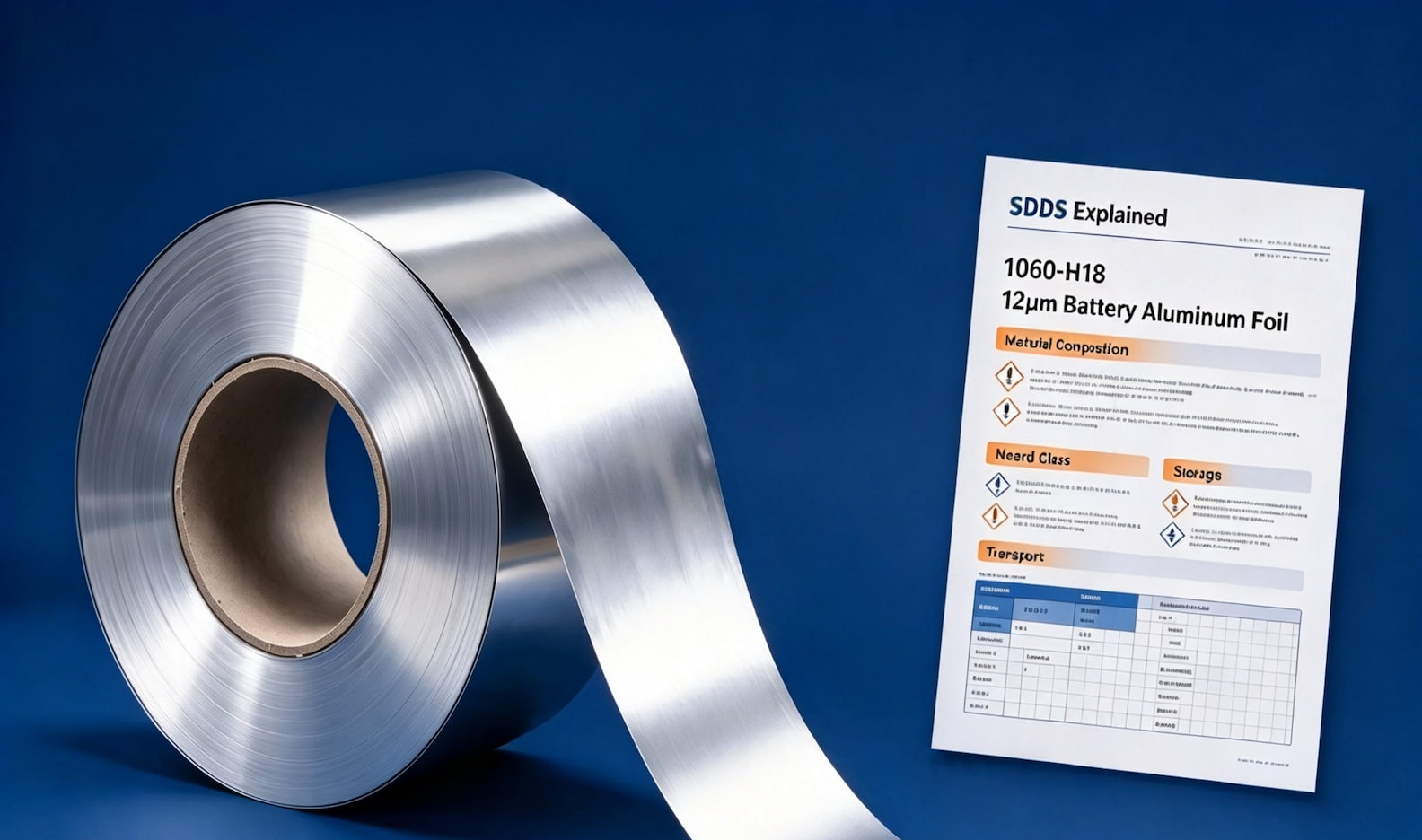
    In this post, we break down the actual MSDS of BioPin’s 1060-H18 0.012mm battery aluminum foil, item by item, so you know exactly what the document is telling you — and how to use it when qualifying a supplier.   1. What is an MSDS/SDS? An MSDS (Material Safety Data Sheet), globally harmonized as SDS (Safety Data Sheet) under the GHS system, is a document that describes: a. What the material is made of. b. Whether it is hazardous. c. How to handle, store, transport, and dispose of it safely. d. Emergency and first-aid information. It is not a quality report (that's the COA). It is a safety & compliance document — and for battery materials exported to the EU, US, India or Korea, EHS and procurement teams will almost always ask for it.   2. Product identification From the MSDS of this foil: Field Value  Material   Aluminium Alloy Alloy temper 1060-H18 Thickness 0.012 mm (12μm) Appearance Silver-white solid metal Application Battery cathode current collector foil 1060 is a commercially pure aluminum alloy (99.6% Al minimum). The H18 temper indicates a hard-worked, strain-hardened state, giving the foil the strength and flatness needed for battery winding.   3. Composition — the chemistry behind the foil The MSDS lists the alloy composition with CAS numbers:   Composition CAS# W% Aluminium (Al) 7429-90-5 Margin Silicon (Si) 7440-21-3 0.25 Iron (Fe) 7439-89-6 0.35 Copper (Cu) 7440-50-8 0.05 Manganese (Mn) 7439-96-5 0.03 Magnesium (Mg) 7439-95-4 0.03 Chromium (Cr) 7440-47-3 — Zinc (Zn) 7440-66-6 0.05 Titanium (Ti) 7440-32-6 0.03   Because the foil is 99.6%+ aluminum, its composition is clean and low in impurities — a key reason 1060 is preferred for battery foil applications.   4. Hazard classification — is it dangerous? According to the MSDS, this product is classified as non-hazardous: a. Hazard class: None — the product presents no hazard. b. Entry routes: No inhalation, ingestion, or skin-contact risk under normal use. c. Health hazards: No toxic poisoning symptoms from normal exposure. d. Environmental hazards: None under normal use. e. Flammability/explosion: No fire or explosion hazard. This is typical for aluminum foil in solid form — a major advantage when shipping and handling battery materials.   5. Physical & chemical properties Property Value Physical state Silver-white solid metal Melting point 630℃ Density 2.71 g/cm³ Solubility Solubility: Insoluble in water; soluble in alkali, hydrochloric acid & sulfuric acid.   Stability The foil is stable at room temperature, but should be kept away from strong acids, alkalis, and oxidizing agents.   6. Storage & handling — what buyers must know The MSDS gives specific guidance that matters in real production: a. Sharp edges: Never touch the foil's sharp cut edges with bare hands — always use protective gloves. b. Handle gently: Load and unload lightly; avoid strong vibration and impact, which cause dents, scratches, and edge damage. c. Keep dry & protected: Store in a stable place protected from rain, moisture and high temperatures to preserve surface quality and strength. d. No heavy stacking: Never pile heavy objects on top of foil coils.   7.  Transport & disposal a. Packaging: Wooden box. b. Disposal: Handle in accordance with local regulations; waste foil is recovered by professional recyclers (aluminum is fully recyclable).   8. Why you should always request the MSDS/SDS from your supplier a. Compliance: EHS, customs and logistics teams need it for import/export clearance. b. Safety: It defines handling, storage and emergency procedures for your plant. c. Supplier credibility: A complete, professional MSDS signals that the manufacturer follows standards — a quick but meaningful filter when shortlisting suppliers. Tip: Ask for the COA (quality report) and the SDS/MSDS (safety sheet) together — they answer different questions and should both be in your supplier qualification package.   Key takeaways BioPin’s MSDS of 1060-H18 0.012mm battery aluminum foil shows a non-hazardous, high-purity aluminum alloy (99.6%+ Al) with clean composition. Need the full MSDS/SDS of our 1060-H18 battery aluminum foil? Contact us: peng@biopin.vip or sristar0615@gmail.com.        
    Read More
  • Core Considerations in Selecting Battery Aluminum Foil: How to Scientifically Balance Tensile Strength and Elongation Rate?
    Core Considerations in Selecting Battery Aluminum Foil: How to Scientifically Balance Tensile Strength and Elongation Rate?
    Sep 21, 2026
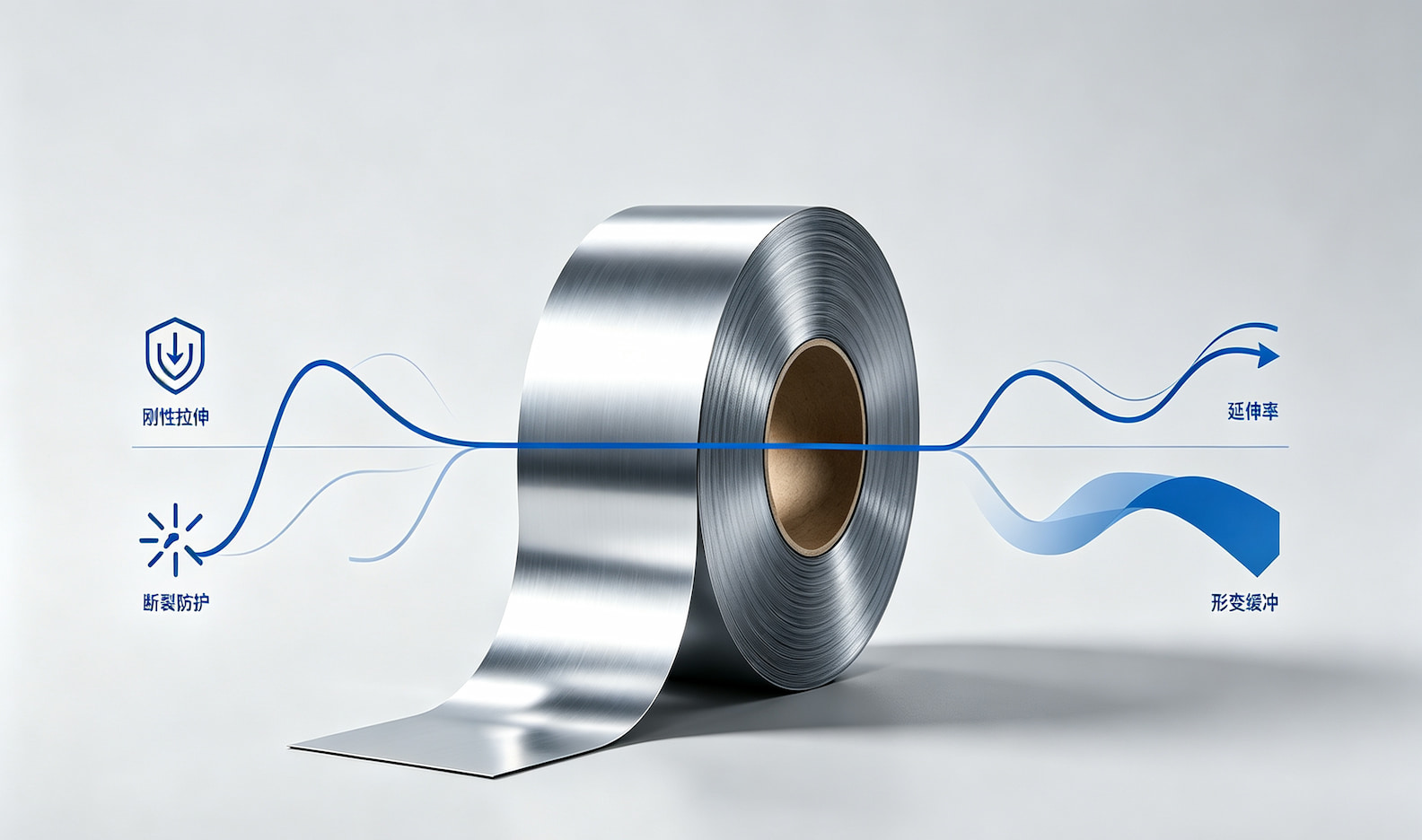
    The two key mechanical properties of battery aluminum foil—tensile strength and elongation rate—directly determine production line yield rates and the long-term safety of battery cells. These two properties exhibit an inherent trade-off: higher tensile strength confers greater material rigidity and superior resistance to tensile deformation, but simultaneously reduces ductility and increases brittleness; conversely, higher elongation provides better flexibility and greater tolerance to deformation, but results in lower tensile load-bearing capacity, making the material more prone to plastic deformation.   I.Understanding These Two Key Parameters: What Process Challenges Do They Address To achieve a scientifically balanced selection of these two parameters, it is essential first to clarify their core values during lithium battery production and cell operation, accurately identify the appropriate application scenarios, and avoid parameter mismatch.  Tensile Strength: Ensures Mass Production Stability and Prevents Belt Breakage and Deformation. Tensile strength—the ability of the aluminum foil to withstand external tensile forces without fracturing or undergoing permanent deformation—is measured in MPa. It serves as a critical safeguard in high-speed mass production and high-pressure roller pressing processes. During operations such as coating and material transport, roller pressing, slitting and traction, and high-speed winding in lithium battery production lines, the aluminum foil continuously subjects itself to constant tensile forces and instantaneous impact loads. Sufficient tensile strength can effectively prevent the foil from elongating, locally thinning, or developing unilateral relaxation, thereby eliminating batch defects—including belt breakage, uneven electrode thickness, material misalignment, and coating wrinkling—in high-speed production environments, ensuring continuous and stable line operation. Elongation Rate: Enhances Tolerance Capacity and Mitigates Brittle Fracture Risks.  elongation rate represents the maximum allowable deformation ratio a foil can withstand before fracturing. This metric directly reflects the material's toughness and flexibility, making it a critical indicator for ensuring performance under complex operating conditions and guaranteeing cell cycle safety. In scenarios involving electrode roll pressing and bending, cell lamination/winding forming, thermal expansion and contraction during battery charging and discharging, and slight tension fluctuations in equipment, aluminum foil requires a certain amount of deformation buffer space. If the elongation is too low, the aluminum foil becomes excessively brittle; even minor deformations may then lead to micro-cracks, delamination, or edge chipping. This not only results in production scrap but also poses safety risks—such as current collector failure, surge in internal resistance, and localized short circuits—during prolonged cell cycling.   II. The Core Contradiction: Why can tensile strength and elongation not both be maximized simultaneously The mechanical properties of battery aluminum foil are determined by alloy composition, rolling process, and temper state; the trade-off between these factors stems from the combined effects of material characteristics and manufacturing processes. This trade-off cannot be entirely eliminated; instead, it can only be precisely balanced. High-hardness, high-tensile-aluminum foil in the "hard" state—after thorough cold rolling—exhibits a dense and orderly grain structure, stable internal stresses, and exceptional resistance to both tensile loading and deformation. However, the available space for grain deformation is constrained, leading to significantly reduced ductility and generally lower elongation rates. Conversely, soft-or semi-hard-state aluminum foil with high elongation—after temper softening—possesses ample deformation buffer space within its grains, granting superior toughness. However, its structural rigidity is insufficient, resulting in weaker tensile load-bearing capacity and a higher susceptibility to plastic deformation under external loads. In short: the hard state is strong but brittle; the soft state is ductile but flexible. No single type of battery aluminum foil can simultaneously achieve ultra-high strength and ultra-high elongation. Therefore, the primary objective in selecting material for mass production is to identify the optimal balance point that best satisfies specific process requirements.    III. Scientifically Balanced Sizing Strategies by Application Scenario Key Considerations for Power Battery Aluminum Foil Selection: Prioritize tensile strength while also considering elongation properties.     Power battery production lines are characterized by high production speeds, significant roller pressing pressures, and high winding tensions, which impose stringent requirements on the structural stability of the aluminum foil. The potential losses from production downtime—caused by foil breakage or deformation—far outweigh those associated with minor brittle failure risks. Recommended parameter range: tensile strength of 170–215 MPa, and elongation rate ≥ 4.0%. Aluminum foil with H18 hardness within this range offers high strength, making it ideally suited for high-speed coating and high-pressure roller pressing processes, thereby eliminating issues such as material drift, deformation, foil breakage, and wrinkling. An elongation rate exceeding 4% provides ample margin for tolerance, helping prevent micro-cracks or foil fractures induced by conventional bending or tension fluctuations. This approach balances mass production efficiency with cell quality, establishing it as the industry-standard "golden parameter" for mainstream power batteries. Key Considerations for Energy Storage Battery Aluminum Foil Selection: Emphasize balanced matching with toughness as the primary objective.     Energy storage batteries typically operate at moderate production speeds and involve milder process tensions; therefore, long-term cycle stability of the cells is the primary focus. The aluminum foil must exhibit excellent fatigue resistance and resistance to thermal expansion/contraction to prevent current collector cracking or detachment during prolonged cycling. Recommended parameter range: tensile strength of 120–160 MPa, and elongation rate of 5%–8%. This moderate tensile strength range adequately meets the requirements of conventional mass production conditions without inducing plastic deformation. A higher elongation rate enhances material toughness, enabling the foil to effectively accommodate volumetric changes during cell charging and discharging over extended periods. This significantly extends the battery's cycle life, fulfilling the critical requirement for long service life in energy storage applications.                                                                                                       Core Considerations for Selecting 3C Consumer Batteries:Prioritize scalability and compatibility.     3C batteries often exhibit large bending angles and significant deformation during molding, which can easily lead to electrode sheet cracking. Such applications demand exceptionally high flexibility in aluminum foil, while allowing for moderate relaxation of strength requirements.Recommended parameter ranges: tensile strength of 80–110 MPa, and elongation of 15%–26%. High-elongation soft-state aluminum foil offers superior deep-drawing properties, ensuring no cracks or edge chipping during bending and molding processes—making it ideally suited for complex molding workflows of pouch and irregularly shaped cells. The corresponding tensile strength also fulfills production requirements for low-speed and medium-tension operations, effectively eliminating defects caused by excessive deformation.                                   IV. The Core Logic of Optimal Balance The key to balancing tensile strength and elongation rate in battery aluminum foil lies not in maximizing individual parameters, but in maximizing scenario adaptability. Leading manufacturers of battery aluminum foil precisely calibrate the optimal balance of mechanical properties based on customer-specific factors—production line speed, rolling process specifications, battery category, and cycle life requirements—thereby aligning material selection with process needs and minimizing defect rates.
    Read More
  • Preparation of Carbon-Coated Aluminum Foil Slurry
    Preparation of Carbon-Coated Aluminum Foil Slurry
    Sep 14, 2026
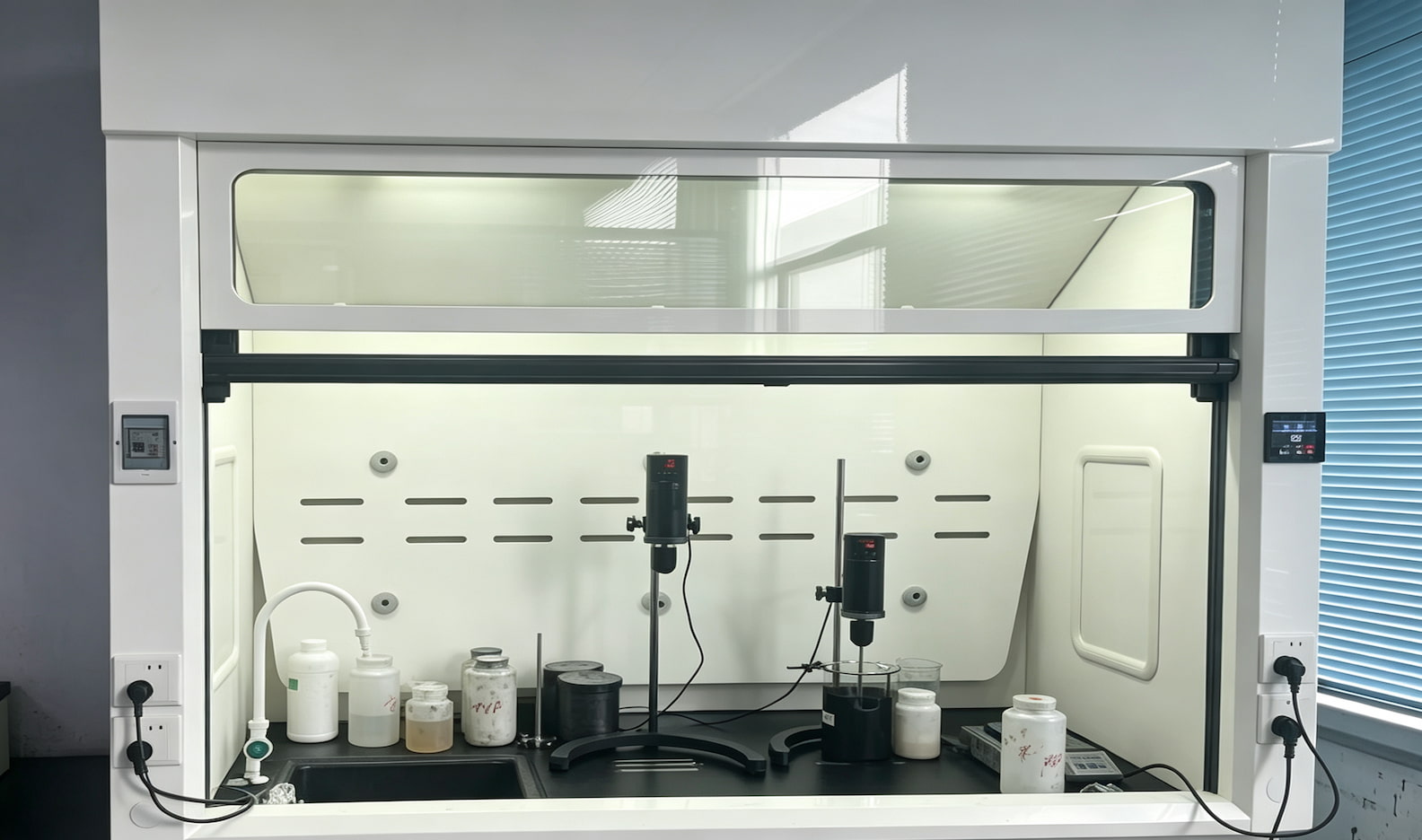
    1. The concept and application of carbon-coated aluminum foil slurry Carbon-coated aluminum foil slurry is a composite material characterized by high electrical conductivity, excellent corrosion resistance, and superior adhesion properties. It is widely used in the manufacturing of battery electrode sheets for power applications, energy storage systems, and consumer electronics products.   2. Main components of carbon-coated aluminum foil slurry The main components of carbon-coated aluminum foil slurry include the following: Aluminum foil: As a conductive substrate, it provides excellent electrical conductivity. Carbon materials – such as graphene and carbon nanotubes – enhance the conductivity and corrosion resistance of the slurry. Adhesives: such as polyurethane resin, epoxy resin, etc., used to bond aluminum foil to carbon materials. Solvents: e.g., NMP, acetone, etc., used to adjust the viscosity and flowability of the slurry. Dispersants: e.g., polyacrylates, etc., to enhance the dispersion performance of carbon materials.   3. Carbon-coated aluminum foil slurry formulation design When formulating a carbon-coated aluminum foil slurry, it is essential to appropriately select the types and proportions of each component based on the specific application requirements. Generally, factors such as the thickness of the aluminum foil, the type and content of the carbon material, and the type and content of the binder all influence the performance of the slurry.   4. Preparation method for carbon-coated aluminum foil slurry  Mixing Drying Calendering   The preparation method for carbon-coated aluminum foil slurry typically involves the following steps: Perform surface treatment on aluminum foil, such as oxide layer polish-off, to improve adhesion performance. Mix the carbon materials and binder thoroughly to prepare a carbon paste. Aluminum foil and carbon paste are combined using methods such as coating and rolling to form a carbon-coated aluminum foil slurry. Dry and cure the slurry to enhance its performance.   5. Properties and application advantages of carbon-coated aluminum foil slurry Slitting Sampling Adhesion Testing   Carbon-coated aluminum foil slurry offers the following properties and application advantages. High electrical conductivity: Due to the inclusion of aluminum foil and carbon materials with high electrical conductivity, the carbon-coated aluminum foil slurry exhibits excellent electrical conductivity. Good corrosion resistance: The addition of carbon materials enhances the slurry's corrosion resistance. Outstanding bonding performance: The selection and formulation of the adhesive ensure that the carbon-coated aluminum foil slurry exhibits superior bonding performance. Excellent processability: The carbon-coated aluminum foil slurry exhibits favorable fluidity and viscosity, facilitating processing steps such as coating and calendering.  
    Read More
  • Carbon-Coated Aluminum Foil Production Process Flowchart
    Carbon-Coated Aluminum Foil Production Process Flowchart
    Sep 07, 2026
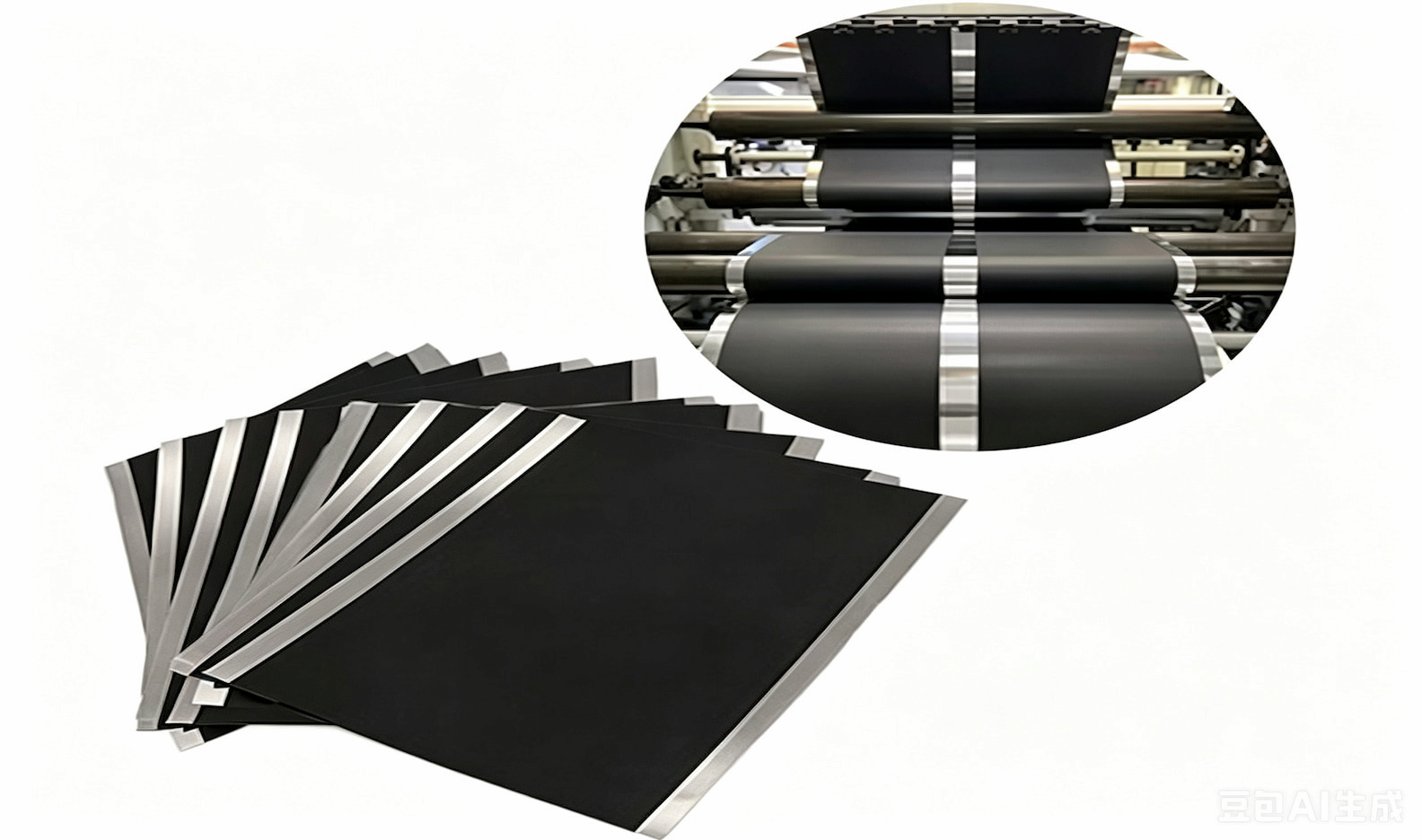
    Carbon-Coated Aluminum Foil is the key material for the LIFP battery cathode collector; the production process mainly comprises two parts: manufacturing bare aluminum foil and manufacturing carbon-coated foil. Among them, carbon coating manufacturing is the core stage, covering slurry preparation, coating, drying, quality inspection, and post-treatment. 1.Bare aluminum manufacture(base material) The basic material of carbon-coated aluminum foil is high-purity battery aluminum foil (purity over 99.9%, the ordinary thickness is 10-20um), primarily employing a cast-rolling–cold-rolling process. Melting and homogenization:                                                                                                                                                                                                                                  Aluminum ingots or billets are melted and cast into aluminum coils, followed by homogenization treatment to eliminate internal stresses and improve micro structural uniformity. Hot rolling vs. cold rolling:                                                                                                                                                                                                                                    Through multiple rolling processes—including hot rolling, cold rolling, intermediate annealing, and final rolling—the aluminum material is shaped to the specified dimensions, ensuring that the aluminum foil's thickness, surface roughness, and mechanical properties meet the required standards. Surface treatment:                                                                                                                                                                                                                                                      The surface of bare aluminum foil usually has an oxide layer and oil, which need to be removed by alkaline cleaning, acid cleaning, ultrasonic cleaning, or corona treatment, among other methods, to achieve surface cleanliness and activation, improving the Subsequent carbon coating adhesion.   2. Carbon coating manufacture (core steps) Carbon coating slurry preparation   Raw material ratio: Mix conductive carbon materials (e.g., carbon black, graphite, carbon nanotubes, graphene, etc.) with a film-forming agent (e.g., PVDF, acrylate-based binders, etc.), a solvent (e.g., deionized water, isopropanol, etc.), and additives (e.g., dispersants, wetting agents, etc.) according to a specified proportion.   Dispersion and refining: Mix and refine the material using a sand mill or high-speed disperser to control the slurry's viscosity, solid content, and particle size, ensuring the slurry is uniform, stable, and free from clumping.     Coating Process     Coating method:     The mainstream approach involves continuous roll-to-roll coating processes (such as gravure coating, blade coating, roller coating, or spray coating). Among these, gravure coating  is the most widely used due to its ability to precisely control coating thickness (within ±0.5 μm) and its suitability for continuous manufacturing.     Parameter control:     The coating speed, the black between the aluminum foils, and the coating's tensile strength need to be controlled to ensure the slurry can be coated continuously and evenly on the aluminum foil.   Drying and solidification     Segmented drying and gradient curing:     After coating, the aluminum foil is placed into a multi-stage temperature-controlled oven (e.g., hot-air drying oven, infrared drying oven, or tunnel drying oven) for a gradient heating process that facilitates rapid solvent evaporation and preliminary curing of the carbon layer, thereby preventing coating cracking or blistering.     High-temperature curing:     In certain processes, the coated foil must undergo high-temperature curing in a curing oven; this high-temperature heating ensures complete curing of the carbon layer, thereby enhancing the adhesion strength between the coating and the aluminum foil as well as the stability of the conductive network.    Quality inspection   Before and after slitting, the finished product needs to be fully inspected, including Coating thickness measurement (thickness gauge), conductivity/rectangular resistance testing (resistance tester), adhesion testing (delamination test), and surface defect inspection (visual or optical inspection); reject any defects such as incomplete coating, scratches, or material detachment. Post treatment    The aluminum foil, which has finished coating and solid process, goes through a cooling system and rectifies any deviation. Perform precise cutting using a cutting machine according to the battery manufacturer's specifications (e.g., narrow-width rolls). Finally, the product is wound onto a finished roll using a winding machine and then packaged with an anti-static/anti-moisture film.
    Read More
  • BioPin’s Customized Production & Successful Delivery Case
    BioPin’s Customized Production & Successful Delivery Case
    Sep 01, 2026
    In the rapidly evolving new energy industry, many overseas battery manufacturers and solution engineers often face common pain points: off-the-shelf aluminum foil has inconsistent thickness, insufficient tensile strength, poor corrosion resistance, or unsuitable dimensions for their production lines. As a professional manufacturer of battery aluminum foil with independent R&D and full-scale production capabilities, we support full-dimensional customized battery aluminum foil for global clients. Today, we share a real customized production and delivery case to demonstrate our mature customization technology, strict quality control, and stable cross-border delivery capabilities.   Project Background: Customized Demand for High-Cycle Energy Storage Battery Aluminum Foil This cooperation client is a professional energy storage battery manufacturer in India, focusing on household and industrial large-scale energy storage battery production. Their new-generation long-cycle energy storage batteries have extremely strict requirements on the stability, durability, and consistency of positive electrode current collector aluminum foil. Before cooperating with us, the client had been using standard commercial aluminum foil and encountered many practical production problems: • Ordinary rolled aluminum foil has unstable tensile and elongation properties, which is easy to cause foil breakage during high-speed battery coating and winding • Standard width and roll diameter cannot match their automated production line, resulting in low production efficiency and material waste • Conventional finished products are prone to tiny pinholes and surface oxidation spots, failing to meet their high-standard quality inspection system To solve the above problems, the client put forward non-standard size and high-performance customized requirements, hoping to find a factory with independent customization capability and strict process control for long-term cooperative supply.   Detailed Customized Technical Requirements Wrapped with PE stretch film Aluminum foil vacuum bag Custom wooden box   After one-on-one technical communication between our engineers and the client’s  team, we sorted out the core customized standards covering size, performance, process, and delivery: • Dimensional customization: Custom ultra-narrow width and special inner hole roll diameter, different from conventional stock specifications, to fully adapt to the client’s automated winding equipment • Performance customization: Higher tensile strength and elongation, enhanced electrolyte corrosion resistance, ultra-low surface roughness, zero pinholes and zero oxidation on the foil surface • Process customization: Adopt an optimized low-temperature annealing process to improve the flexibility and structural stability of aluminum foil; uniform matte surface treatment to enhance active material adhesion • Delivery customization: Dust-free precision slitting, burr-free and warp-free finished products, exclusive moisture-proof and anti-rust export packaging suitable for long-distance sea transportation   Our Customized Production & Quality Control Solution We have complete independent production lines and R&D adjustment capabilities. For this high-standard customized order, we formulated a targeted whole-process production plan: 1. Pre-Production Technical Verification Our technical team sorted out personalized production parameters according to the client’s battery application scenario, equipment parameters, and performance indicators, and issued a complete customized technical specification sheet. Before mass production, we completed small-batch sample trial production and parameter testing to verify the feasibility of the scheme and avoid mass production risks. 2. High-Purity Raw Material Selection In view of the client’s high cycle life requirements, we selected high-purity battery-grade aluminum billets with strictly controlled impurity content. High-purity raw materials effectively improve the electrical conductivity and corrosion resistance of the aluminum foil, laying a foundation for the long-term stable operation of energy storage batteries. 3. Personalized Process Adjustment We dynamically adjusted rolling pressure, rolling speed, and annealing temperature according to customized requirements. The optimized annealing process eliminates internal stress of the aluminum foil, significantly improves ductility and uniformity, and solves the problem of foil breakage during high-speed winding. At the same time, the corona treatment ensures uniform adhesion of battery cathode electrode materials. 4. Whole-Process Strict Quality Inspection We implemented full-process tracking and sampling inspection from semi-finished products to finished products. The inspection items include foil thickness uniformity, surface flatness, tensile strength, elongation, pinhole detection, surface roughness, and oxidation resistance. All finished products are accompanied by official factory inspection reports to ensure that each index fully meets the client’s customized standards.   Cross-Border Export Delivery For cross-border transportation, we adopt specialized export-grade moisture-proof, anti-rust, and shock-proof packaging. Each roll of aluminum foil is independently sealed and protected with multi-layer packaging to prevent oxidation, deformation, and damage during long-term sea transportation and temperature and humidity changes. In terms of document support, we provide complete export documents such as CE, RoHS, material certification and quality inspection reports to help overseas clients complete customs clearance and factory quality audit smoothly. For cross-border transportation, we adopt specialized export-grade moisture-proof, anti-rust and shock-proof packaging. Each roll of aluminum foil is independently sealed and protected with multi-layer packaging to prevent oxidation, deformation, and damage during long-term sea transportation and temperature and humidity changes. In terms of document support, we provide complete export documents such as CE, RoHS, material certification, and quality inspection reports to help overseas clients complete customs clearance and factory quality audit smoothly.   Project Results & Client Feedback This customized batch of battery aluminum foil has been successfully delivered to the Indian client’s factory and put into mass production. The final cooperation results fully verify the reliability of our customized solutions: • All performance and size indicators of the aluminum foil fully meet the customized standards, with a 100% qualified inspection rate • The optimized aluminum foil significantly improves the bonding firmness of positive electrode materials, effectively reducing battery internal resistance and improving battery cycle stability • Zero quality problems and zero transportation losses occurred during the use process, perfectly matching the client’s automated production line • The client has established a long-term stable strategic cooperative relationship with us and continued to place customized bulk orders   Our Customization Capability Scope We are not only a supplier of standard battery aluminum foil, but also a professional customized solution provider for global battery enterprises. We support full-dimensional personalized customization: • Size Customization: Custom thickness (8μm–20μm), special width, customized roll diameter, and inner hole size • Performance Customization: High toughness, high corrosion resistance, low roughness, ultra-thin and high-strength aluminum foil for low-temperature and high-rate scenarios • Process Customization: Custom matte/polished surface, personalized annealing process and precision slitting • Service Customization: Custom export packaging, urgent delivery, exclusive technical docking and complete factory certification documents   Get Your Custom Battery Aluminum Foil Solution Now Contact us today for sample testing, one-on-one technical solution docking, and exclusive factory quotation. We support global cross-border delivery and long-term OEM/ODM customized cooperation to help your battery products improve performance and competitiveness.
    Read More
  • BioPin IOT Group Answers to Key Questions Regarding Aluminum Foil Products
    BioPin IOT Group Answers to Key Questions Regarding Aluminum Foil Products
    Aug 25, 2026
    In the previous blog, we listed the Key Questions to Ask Your Aluminum Foil Manufacturer Before Ordering in detail. Today, as we committed, BioPin IOT Group answers the key questions regarding aluminum foil products. 1. The Exact Technical Specifications of BioPin IOT Group’s Battery Aluminum Foil • Thickness options: Mill finish aluminum foil and ultra-clean aluminum foil are ordinary 10-20μm; carbon-coated aluminum foil and safety primer aluminum foil are 8-15μm. • Temper state: suitable for power batteries, energy storage, or consumer batteries. • Aluminum purity: strictly above 99.9% for battery-grade requirements. • Mechanical properties: tensile strength, elongation rate (core indicators for battery rolling and assembly). • Surface quality: pinhole count per square meter, surface roughness, no oxidation, no oil stains. • Coating performance (for carbon-coated aluminum foil): single-sided/double-sided coating, coating uniformity, NMP resistance, adhesion strength. We also provide official TDS (Technical Data Sheet) and third-party test reports for verification. 2. The Quality Control & Testing Standards  BioPin IOT Group Follows • We comply with international industry standards  (ISO quality management system, battery material industry specifications). • We provide batch test reports for every shipment. • We have full-process testing and machines to inspect product quality to prevent common defects. thickness detection, pinhole inspection, tensile testing, electrochemical performance testing, surface defect scanning. BioPin IOT Group's battery aluminum foil can achieve 100% full inspection of core indicators. 3.BioPin IOT Group can Support Customization compatible with customer Production Needs We can provide customized aluminum foil solutions to meet Different battery scenario requirements. • We can customize width slitting according to your production equipment requirements. • Customized coating is also available (single-sided carbon coating, double-sided carbon coating, customized coating thickness, Intermittent coating and continuous coating, etc. ) • We can adjust hardness and tensile strength for specific battery formulas. • We can support small-batch trial orders for new product testing. 4. BioPin IOT Group’s  Production Capacity & Lead Time A stable supply chain is crucial for mass production. • Our annual production capacity for battery aluminum foil is 30000tons. • The standard lead time for sample orders and bulk orders is usually about 8-15 days. • We have abundant production lines, and it is enough to handle urgent orders and peak-season supply pressure. • Our  MOQ (Minimum Order Quantity) for regular and customized products is 5 tons, but if you need a smaller quantity, we can accept depend on both parties' cooperation opportunity appraisal result. 5. BioPin IOT Group’s Export Packaging & Shipping Solution Battery aluminum foil is highly sensitive to moisture and oxidation. To ensure suitability for Long-distance sea shipping conditions and protect our product from dampness, deformation, and surface damage, we provide the following supports: • Vacuum packaging, moisture-proof film, wooden box reinforcement. • We support customized shipping marks and full export documents. • We can provide reliable shipping solutions for different regions. 6. After-Sales & Technical Support BioPin IOT Group Provides Core support : • We provide free sample testing before bulk ordering. • We have a professional technical team available to match aluminum foil models for customer battery formulas. • We promise: any quality problems caused by the production side will be handled by our team, and any loss can be compensated depending on the contract regulations.   Any answer is true; don’t hesitate-  contact us. We hope both parties will start a new and good cooperation relationship about battery aluminum foil.
    Read More
  • Key Questions to Ask Your Aluminum Foil Manufacturer Before Ordering
    Key Questions to Ask Your Aluminum Foil Manufacturer Before Ordering
    Aug 18, 2026
    Sourcing high-quality battery-grade aluminum foil is one of the most critical steps for lithium-ion battery manufacturers, ESS factories, power tool battery producers, and battery material distributors. The quality of cathode aluminum foil directly affects battery energy density, cycle life, safety performance, and overall product yield. To avoid sourcing risks and select a reliable long-term aluminum foil supplier, There have sorted out the core must-ask questions before confirming any order, covering technical parameters, quality control, production capacity, customization, shipping, and after-sales support. 1. What Are the Exact Technical Specifications of Your Battery Aluminum Foil?   Ordinary industrial aluminum foil cannot replace battery-grade aluminum foil. Before ordering, you must verify full technical data to match your battery formula (LFP, NCM, sodium-ion battery, etc.). Key specs you need to confirm: • Thickness options: ordinary 10-20μm and ultra-thin customized thickness • Temper state: soft temper vs hard temper, suitable for power batteries, energy storage, or consumer batteries • Aluminum purity: strictly above 99.9% for battery-grade requirements • Mechanical properties: tensile strength, elongation rate (core indicators for battery rolling and assembly) • Surface quality: pinhole count per square meter, surface roughness, no oxidation, no oil stains • Coating performance (for carbon-coated aluminum foil): single-sided/double-sided coating, coating uniformity, NMP resistance, adhesion strength  Tip: Ask the supplier to provide official TDS (Technical Data Sheet) and third-party test reports for verification. 2. What Quality Control & Testing Standards Do You Follow?   Batch stability is the top priority for battery material procurement. Small factories often have unstable quality between batches, which will cause unpredictable risks to your battery cells. You need to ask manufacturers: • What international industry standards do you comply with? (ISO quality management system, battery material industry specifications) • What full-process testing do you conduct? (thickness detection, pinhole inspection, tensile testing, electrochemical performance testing, surface defect scanning) • Do you provide batch test reports for every shipment? • How do you control common defects: pinholes, scratches, uneven coating, oxidation, and residual oil? A qualified battery aluminum foil manufacturer must achieve 100% full inspection of core indicators rather than random sampling. 3. Can You Support Customization for My Production Needs?   Different battery scenarios require customized aluminum foil solutions. Standard products cannot meet all production demands, especially for specialized energy storage, automotive power batteries, and sodium-ion battery projects. Key customization questions: • Can you customize width slitting according to my production equipment requirements? • Is customized coating available? (single-sided carbon coating, double-sided carbon coating, customized coating thickness) • Can you adjust hardness, tensile strength for specific battery formulas? • Do you support small-batch trial orders for new product testing? 4. What Is Your Production Capacity & Lead Time?   Stable supply chain is crucial for mass production. Many buyers encounter delayed shipments during peak EV and energy storage seasons, resulting in stagnant production. Clarify these questions upfront: • What is your aunual production capacity for battery aluminum foil? • What is the standard lead time for sample orders and bulk orders? • How do you handle urgent orders and peak-season supply pressure? • What is your MOQ (Minimum Order Quantity) for regular and customized products? 5. What Is Your Export Packaging & Shipping Solution?   Battery aluminum foil is highly sensitive to moisture and oxidation. Long-distance sea shipping is prone to dampness, deformation, and surface damage if packaged improperly, which will directly invalidate the aluminum foil. Ask your supplier: • What export packaging do you use? (vacuum packaging, moisture-proof film, wooden box reinforcement) • How to avoid extrusion deformation and surface scratches during transportation? • Do you support customized shipping marks and full export documents? • Can you provide reliable shipping solutions for different regions? 6. What After-Sales & Technical Support Do You Provide?   High-end battery material cooperation is not a one-time transaction. Professional technical and after-sales support can solve most of your production problems. Core support questions: • Do you provide free sample testing before bulk ordering? • Is professional technical team available to match aluminum foil models for my battery formulas? • How do you handle quality problems caused by production side? • Do you provide long-term technical follow-up and product upgrade support? Choosing a battery aluminum foil manufacturer is not just about comparing prices, but about confirming quality stability, supply reliability, and professional technical support. Asking the above questions before ordering can effectively avoid procurement risks, reduce production costs, and establish a long-term stable cooperative supply chain. Need reliable battery-grade aluminum foil for your battery production? BioPin IOT Group provides high-purity bare aluminum foil and carbon-coated aluminum foil for LFP/NCM/ESS batteries.Next blog ,BioPin IOT Group will answer the key questions regarding when to consult the manufacturer before ordering aluminum foil products, as discussed in this article.  
    Read More
  • Why Is Battery Aluminum Foil the Most In-Demand Component for New Energy Vehicles?
    Why Is Battery Aluminum Foil the Most In-Demand Component for New Energy Vehicles?
    Aug 14, 2026
    I. Demand Side: Industrial upgrading further widens the gap The development trends in the new energy vehicle and energy storage industries are continuously driving up the demand for high-end ultra-thin aluminum foil. On one hand, to increase the energy density of power batteries, an increasing number of leading automakers are incorporating thinner cell design solutions into their new vehicle power battery systems, creating an urgent need for battery aluminum foil to evolve from conventional thicknesses to thinner specifications; as a result, the demand structure is rapidly shifting toward higher-end segments. On the other hand, the rapid expansion of the energy storage industry has imposed higher requirements on battery cycle life and safety; consequently, the market penetration rate of high-end modified aluminum foil products—such as carbon-coated aluminum foil—is steadily rising, further boosting the growth in demand for premium products. II. Supply Side: Structural Shortage in High-End Production Capacity  Currently, the battery aluminum foil industry is experiencing significant capacity expansion; by 2025, China's battery aluminum foil shipment volume is projected to reach 563,000 tons, accounting for nearly 80% of global total shipments, indicating ample overall industry supply capacity. However, structural differentiation is becoming increasingly pronounced: competition among low-end conventional specifications (12–15 μm) is intense due to high product homogeneity, while processing fees continue to decline; conversely, there is a supply shortage of ultra-thin, high-precision aluminum foils (below 10 μm, featuring high yield rates and stringent certification requirements) tailored for power batteries with high energy density and long-cycle energy storage applications. The effective supply gap for high-end ultra-thin aluminum foils persists; for instance, 68 μm ultra-thin foil and carbon-coated foil cannot be rapidly expanded through simple capacity increases due to equipment, process, and lengthy certification barriers faced by battery manufacturers. III. BioPin's Response to  challenges BioPin Company addresses those cahllenges through its advanced production technologies and mature core processes. Currently, our company possesses a well-established carbon coated aluminum foil process with a coating thickness ranging from 8–15 μm; furthermore, we have independently developed a solid-state electrolyte safety protection coating: by leveraging the electronic insulating properties of the solid-state electrolyte, this coating can effectively block the risk of internal short circuits in lithium-ion batteries caused by direct contact between the positive and negative electrode current collectors, thereby reducing the probability of thermal runaway at its root cause, significantly improving the pass rate of battery needle penetration tests, and providing a reliable safeguard for power battery safety.  This approach further enables us to meet market demands for high-end battery aluminum foils and seize the development opportunities arising from the upgrading of the new energy industry.
    Read More
  • Understand Battery Foils Key Aluminum & Copper Current Collector Materials
    Understand Battery Foils Key Aluminum & Copper Current Collector Materials
    Aug 05, 2026
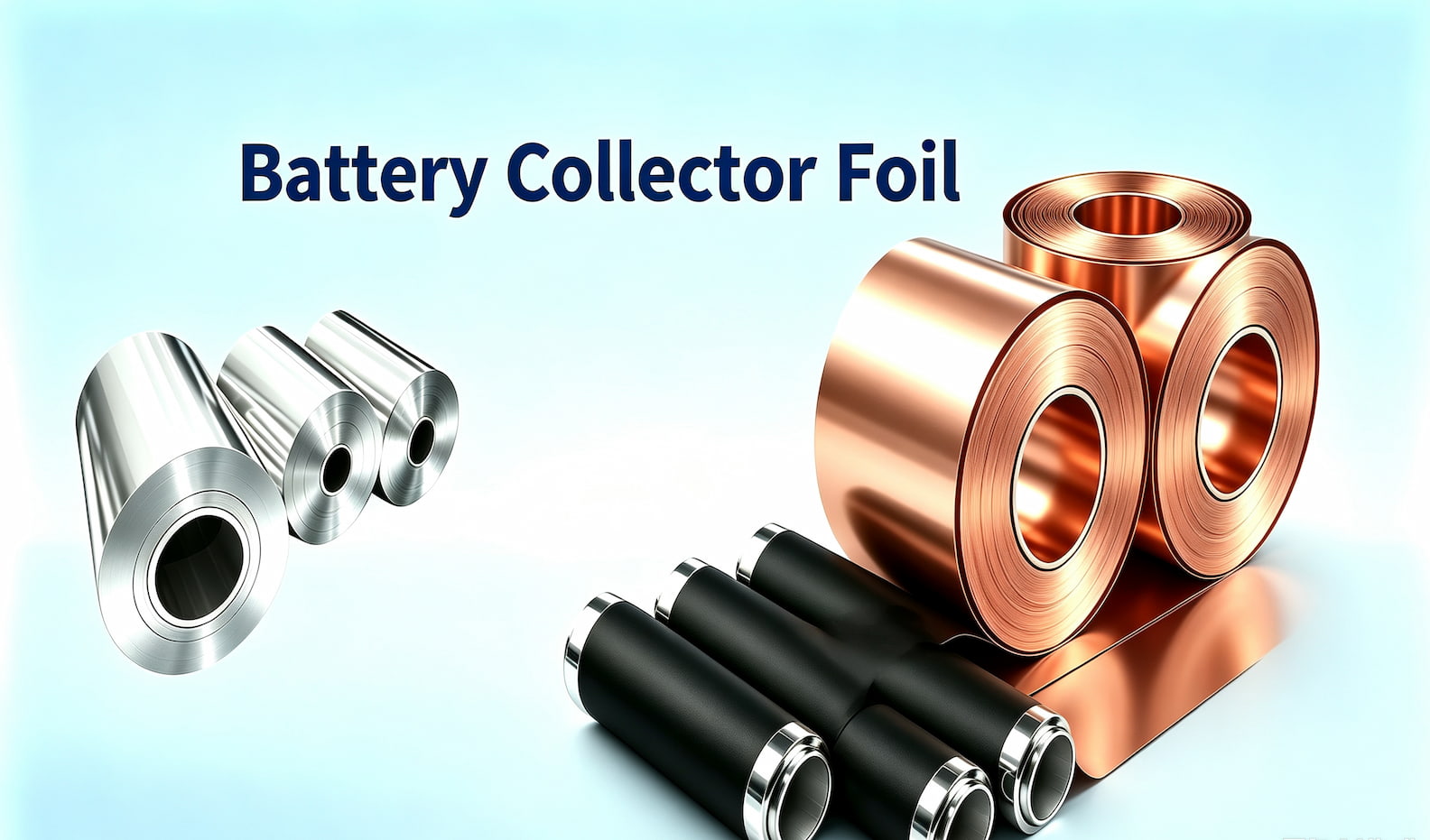
    In an era marked by the rapid proliferation of new energy vehicles, photovoltaic energy storage systems, and digital lithium-ion batteries, battery foil serves as a fundamental material that determines the core performance of batteries, accounts for a significant portion of their total weight, and is indispensable.   I. What is battery foil? Battery foil, formally known as power battery current collection foil, is an ultra-thin, high-purity metallic foil material that undergoes specialized rolling, polishing, and surface treatment;  it is primarily used as a current collector for lithium-ion batteries, serving as both the carrier substrate for electrode active materials and the pathway for electrical current conduction.If we compare a lithium-ion battery to a miniature power plant, the battery foil serves as its main transmission backbone: during operation, the electrons generated by the active  materials at the positive and negative electrodes are all rapidly aggregated and transmitted through the battery foil, ultimately enabling the input and output of electrical energy and  perfectly resolving the issues of current dispersion and transmission losses. Unlike conventional packaging aluminum foil or industrial copper foil, battery foil imposes extremely stringent requirements on purity, thickness uniformity, surface flatness, conductivity,  and electrochemical stability; it is a quintessential high-precision, high-barrier new energy material.   II. The Two Major Core Categories: Aluminum Foil vs Copper Foil. The operating environments and electrochemical properties of the positive and negative electrodes in lithium-ion batteries differ significantly; therefore, battery foils are divided into  two  main categories: battery aluminum foil and battery copper foil. These two types have clearly defined roles and cannot be interchanged, as they are specifically designed for  different electrode applications in batteries. Battery aluminum foil The cathode-specific current collector aluminum foil serves as the core substrate for lithium-ion battery cathodes; it is typically fabricated from high-purity aluminum with thicknesses ranging from 10–20 μm; for high-end power batteries, ultra-thin specifications of 6–8 μm are employed. Thanks to its advantages of light weight, strong oxidation resistance, and controllable cost, it perfectly adapts to the high-potential oxidative environment of the cathode.Conventional aluminum foil can only meet basic electrical conductivity requirements, whereas carbon-coated aluminum foil has become the mainstream upgrade solution; by applying a conductive carbon layer to its surface, it significantly reduces interfacial contact resistance and enhances the adhesion of the active material, thereby markedly improving the fast-charging performance and cycling stability of batteries, and is widely used in high-energy-density power batteries and energy storage batteries. Battery copper foil The cathode core carrier battery copper foil is used as the cathode current collector in lithium-ion batteries; leveraging copper's exceptional electrical conductivity (which far exceeds that of aluminum), it can minimize electronic transport losses to the greatest extent, adapt well to the reducing operating environment of the cathode, and resist electrochemical corrosion. Currently, mainstream power batteries utilize 4.5–8 μm ultra-thin copper foils; this extreme thinning design allows for greater space within the battery, enabling the incorporation of more active materials.The traditional electrolytic copper foil process is well-established and cost-effective, making it the mainstream choice in the market; in contrast, composite copper foil (PET copper foil), as the next-generation technology, employs a "polymer-based film + double-sided copper layer" sandwich structure, offering advantages such as high strength, enhanced safety, and extended service life.   III. A thin layer of battery foil determines the four core performance characteristics of a battery.  Not determined solely by the materials used for the cathode and anode, the battery's performance upper limit is directly dictated by the quality of the battery foil.       The fast-charging capability is determined by the charging efficiency; the electrical conductivity uniformity and surface flatness of the battery foil directly influence the internal resistance of the battery. High-quality battery foils exhibit lower internal resistance and more uniform current distribution, resulting in less heat accumulation and reduced energy loss during charging—thereby forming the foundation for achieving high-current fast charging. Conversely, inferior foil materials with uneven thickness or contaminants on their surface can easily lead to localized current overloads, not only slowing down the charging process but also accelerating battery aging.       Enhancing energy density and extending driving range: Battery foil accounts for 15%–20% of the total weight of lithium-ion batteries and represents a key breakthrough in battery lightweighting. While ensuring strength and stability, the thinner the foil material, the smaller the volume it occupies within the battery, the greater the amount of active material that can be packed into the battery, and the higher the energy density achieved. Data indicate that ultra-thin foils can help power batteries achieve an increase in energy density of approximately 15%, directly enabling the enhancement of driving range in new energy vehicles.       Ensuring battery safety and eliminating thermal runaway risks: The toughness, corrosion resistance, and structural stability of battery foils serve as the core safeguards for battery safety. High-quality copper and aluminum foils exhibit excellent electrochemical corrosion resistance, resist powdering or fracture during long-term cycling; whereas composite foils effectively address the common issues associated with traditional foils—such as susceptibility to tearing and puncture—thereby effectively preventing short circuits between the positive and negative electrodes under battery extrusion, impact, or needle-puncture scenarios, and significantly reducing the risk of thermal runaway.       Extending the cycle life and reducing operating costs: During the battery's charge and discharge cycles, the current collector must endure repeated ion insertion and desorption over an extended period. High-purity, high-stability battery foils can maintain a tight adhesion to the electrode material at all times, thereby preventing contact failure and a surge in internal resistance, which significantly increases the battery's number of cycles and substantially extends the service life of both power batteries and energy storage batteries.    IV. Emerging Industry Trends: Ultra-thinization, compositing, and functionalization. With the high-endization of new energy vehicles, the scaling-up of energy storage systems, and the lightweighting of lithium-ion batteries, the battery foil industry has long moved beyond mere "scale competition" and entered an era of technological iteration and competition; these three major development trends have become increasingly pronounced. Pursuit of extreme ultra-thin profiles has established ultra-thin battery foils as industry standard: to meet the demands of high-energy-density batteries, battery foils have undergone continuous thinning upgrades—aluminum foils have been reduced from traditional 20 μm to 12 μm and 8 μm, while copper foils have evolved from 10 μm to 6 μm and 4.5 μm; consequently, the penetration rate of ultra-thin foil materials has steadily increased, making them the standard choice for mid-to-high-end power batteries that balance lightweight design with high performance. The adoption of composite foil materials as substitutes for traditional foils is driving a technological transformation. Traditional pure metal foils suffer from insufficient strength, susceptibility to corrosion, and limitations in safety; in contrast, PET/PP composite copper-aluminum foils—thanks to their superior safety, high toughness, and long service life—have emerged as a core direction for the next generation of battery foils. Currently, composite foils are being progressively integrated into the supply chains of leading battery manufacturers, and it is anticipated that they will gradually replace conventional electrolytic foils in the future, thereby reshaping the industry landscape. Surface functionalization treatment enables a comprehensive performance upgrade: conventional smooth foil materials often struggle to meet the demands of high-end batteries; consequently, functionalization techniques such as carbon coating, anti-oxidation coating, and anti-slip coating have gained rapid adoption. Functionalized battery foils can effectively reduce interfacial resistance, enhance material adhesion, and improve corrosion resistance, thereby perfectly aligning with the development requirements for fast-charging, long-cycle, and high-safety batteries.   From consumer-grade lithium-ion batteries to power batteries and large-scale energy storage stations, battery foil—as the most fundamental and core structural material in lithium-ion batteries—has consistently played a pivotal role throughout the entire development process of the new energy industry, serving as a key breakthrough point for enhancing battery performance, improving safety, and optimizing costs.
    Read More
  • Applications, Technical Requirements, and Development Trends of Aluminum Foil in Lithium Batteries
    Applications, Technical Requirements, and Development Trends of Aluminum Foil in Lithium Batteries
    Jul 11, 2026
    Applications of Aluminum Foil in lithium batteries   The positive current collector of lithium-ion batteries. Aluminum foil current collectors exhibit superior electrochemical performance and morphological structural stability compared to copper foil under identical conditions. As a cathode current collector in lithium-ion batteries, aluminum foil effectively mitigates electrolyte-induced corrosion of the cathode and stabilizes battery polarization behavior    The barrier layer for the soft-pack packaging materials of lithium-ion batteries. Aluminum foil exhibits exceptional water and oxygen barrier properties. Physically, it effectively prevents external water and oxygen from penetrating into the battery cell interior. Additionally, as a metallic material, aluminum foil possesses sufficient elongation and tensile strength to meet the requirements of cold stamping processes. It is highly suitable for serving as the barrier layer in soft-pack packaging materials, hence its widespread application.                                                                                                                                                                                                                                                                              Other Applications of Aluminum Foil in Lithium-Ion Batteries. To reduce battery weight, some square lithium-ion batteries employ aluminum shells instead of stainless steel ones; the tab electrodes of lithium-ion batteries typically utilize 0.1 mm-thick aluminum foil, with the blank areas of carbon-coated aluminum foil commonly utilized for electrode fabrication or directly serving as welding points for tabs.                                                                                                                                                                                                                                                Quality Standards for Battery Aluminum Foil   Heterogeneous Substance Lithium batteries must exhibit high safety performance during operation, requiring strict control of surface contaminants (e.g., aluminum powder) and impurities. Wettability Surface wetting tension is one of the most critical technical parameters for battery aluminum foil, significantly influencing the adhesion quality and durability of the coating. Shape of Strip Flatness of aluminum foil products. Mechanical Property The tensile strength of battery foil is inversely proportional to its thickness; as the thickness decreases, its tensile strength must be increased accordingly. Thickness The thickness must be uniform. Currently, most battery manufacturing companies in China require that the thickness deviation of aluminum foil is ≤2%.   Edge Trimming Quality The edge shall be free from defects such as burrs or wavy edges. Surface Quality Defects such as pits or wrinkles are not allowed.   Development Direction of Battery Foil (Modification Treatment of Aluminum Foil)   Carbon-coated aluminum foil. Surface carbon coating is one of the primary modification methods for aluminum foil. Carbon-coated aluminum foil is fabricated by compounding nanometer-scale conductive graphite with aluminum foil and falls into two categories based on solvent type: aqueous (using pure water as the dispersing medium) and oil-based (e.g., NMP). This material forms a double-sided conductive carbon layer (approximately 2 µm thick) on the aluminum foil surface via coating processes such as roll-to-roll deposition. By increasing the surface roughness of the current collector, reducing contact resistance between positive/negative electrode materials and the current collector, enhancing adhesion of active materials while minimizing binder usage, it prevents aluminum foil oxidation-corrosion, reduces battery polarization, and improves cell pack consistency.                                                                                                                                                                                                                                                                New Composite Aluminum Foil. The substitution of traditional metal current collectors with lighter materials represents a key research direction for enhancing battery energy density. This approach is based on the fact that energy density improvement is closely related to material weight; while aluminum and copper foils, as current collector materials, have high densities but contribute no capacity during charging and discharging. Polymer-based composite metal current collectors offer significant advantages in improving both the safety of lithium-ion batteries and their energy density. Current composite aluminum foils are typically fabricated via evaporation processes using aluminum-coated composite films with polyethylene terephthalate (PET) or similar substrates.                                                                                                                                                                                                                                                                                                                            
    Read More
  • Why Has Carbon Coated Aluminum Foil Become the Preferred Choice for lithium-ion Battery Cathode Current Collectors?
    Why Has Carbon Coated Aluminum Foil Become the Preferred Choice for lithium-ion Battery Cathode Current Collectors?
    Jun 03, 2026
    As lithium batteries increasingly demand higher energy density, faster charging speeds, and longer cycle life, traditional cathode current collectors (pure aluminum foil) face significant challenges. To overcome these limitations and enhance overall battery performance, carbon-coated aluminum foil has emerged as the optimal solution.   What Is Carbon Coated Aluminum Foil? As the name suggests, it refers to aluminum foil coated with a conductive carbon layer approximately 2 µm thick (using either aqueous or oil-based systems). Surface carbon coating is one method of modifying aluminum foil. The conductive carbon layer prevents oxidation and corrosion of the foil, reduces battery polarization, increases surface roughness of the current collector, lowers contact resistance between positive/negative electrode materials and the current collector, enhances lithium-ion diffusion rates, and improves battery rate performance. Compared to conventional aluminum foil, carbon-coated foil reduces electrode sheet resistance, improves battery pack consistency, suppresses dynamic internal resistance increase, and extends battery lifespan.   Why Can Carbon Coated Aluminum Foil Replace Optical Aluminum Foil? — Key challenges of optical aluminum foil The interaction between optical aluminum foil and cathode slurry relies solely on PVDF binder to providing limited adhesion. During prolonged high-rate charging and discharging cycles, this often leads to active material powder shedding, accelerating capacity degradation. Additionally, the aluminum foil surface is susceptible to electrolyte corrosion, forming a poorly conductive aluminum oxide film that compromises overall battery performance and shortens service life. The natural aluminum oxide layer on the foil surface acts as an insulator, creating significant interfacial contact resistance with the cathode active material. This increases internal battery resistance, further limiting electron transport efficiency and adversely affecting battery performance. — Performance advantages of carbon-coated aluminum foil Conductivity. The carbon coating on carbon-coated aluminum foil is an excellent conductor, forming a three-dimensional conductive network between active particles and the aluminum matrix, significantly reducing electron transport barriers. Consequently, this material lowers interfacial contact resistance, enhances battery rate performance, reduces charging and discharging polarization, improves voltage stability, with particularly notable advantages in thick electrodes or high-rate applications.  Adhesion.The carbon layer coated with carbonized aluminum foil exhibits a high specific surface area and abundant functional groups (-COOH, -OH), enabling stronger interactions with fluorine atoms in PVDF. This enhances the coating feasibility and adhesion of the current collector, significantly reducing the risk of delamination during drying, rolling, and cycling processes. Consequently, it allows for higher rolling compaction densities without powder detachment, accommodates thicker electrode designs, and fundamentally eliminates the risk of internal micro-short circuits caused by powder shedding. Protect the carbon coating manifests in two aspects: first, physical isolation that safeguards the battery current collector from corrosion by the cathode material; second, the electrochemical inertness of the carbon material itself within the battery's voltage range. This directly impacts the battery's cycle life and storage performance under high-current and high-voltage conditions, while reducing cell swelling caused by gas generation due to corrosion.  Cycle and rate performance. Carbon-coated aluminum foil enhances contact resistance to suppress corrosion, exhibits superior adhesion compared to conventional aluminum foil, and demonstrates long-term reliability and consistency under cyclic and high-rate operating conditions.   What Are the application scenarios of carbon coated aluminum foil? Power batteries (for automobiles and energy storage systems),  meeting the requirements of high energy density and extended cycle  life.   3C batteries (for smartphones and laptops), enhancing their high-rate charging/discharging capabilities and supporting fast-charging technology.   In other electronic applications, carbon-coated aluminum foil is also suitable for high-frequency electronic devices and sensors due to its excellent barrier properties and electrical conductivity. EV ESS 3C According to QYR's forecast, the global market size for conductive carbon coated aluminum foil will grow at a compound annual growth rate of 15.23% from 2025 to 2031, reaching $2.566 billion by 2031. Overall, the numerous superior properties of carbon coated aluminum foil have made it a key component for enhancing the competitiveness of battery products. With continuous technological advancements and growing market demand, his material is poised to play an even greater role in the future. Currently, BioPin has established partnerships with leading new energy battery and vehicle manufacturers such as Gotion, AVIC, REPT, GREAT POWER and AMPRIUS to supply carbon coated aluminum foil on a large scale. If you are seeking a highly reliable current collector solution for next generation battery products, please contact us to obtain samples and technical specifications for carbon coated aluminum foil, and join us in exploring ways to enhance performance.    
    Read More
  • Key Understanding: What Role Does Battery Aluminum Foil Play in Lithium-Ion Batteries?
    Key Understanding: What Role Does Battery Aluminum Foil Play in Lithium-Ion Batteries?
    May 10, 2026
    Within the new energy lithium-ion battery industry chain, attention often focuses on core components such as cathode materials, anode materials, and electrolyte, yet a seemingly lightweight yet essential component—the battery aluminum foil—is frequently overlooked. As the exclusive current collector for lithium-ion battery cathodes, this foil with a thickness of only 4–20μm serves as the fundamental guarantee for energy transfer, structural stability, safety, and durability, directly determining the battery's conductivity efficiency, cycle life, and safety performance. This article provides a clear breakdown of the aluminum foil's core functions to help readers fully appreciate its critical value in lithium-ion batteries.In simple terms, the core structure of a lithium-ion battery features clearly defined functional divisions: the cathode utilizes aluminum foil, while the anode employs copper foil; each component serves a specific purpose and is non-interchangeable. The battery's aluminum foil is not merely a supplementary material but rather serves as the "structural framework" and "conductive hub" for the cathode, fulfilling three fundamental functions throughout the entire charging and discharging process.   Serving As The Structural Foundation Of The Battery The active materials in lithium-ion battery cathodes—including lithium iron phosphate, ternary materials, and lithium cobalt oxide—are inherently powder-based and cannot be directly formed into conductive shapes; they must be uniformly coated onto a flat, dense aluminum foil surface to form a complete cathode electrode sheet. This makes the aluminum foil the core structural support for the battery cathode, functioning as its "skeletal framework." High-quality battery aluminum foil features uniform thickness, a smooth surface, absence of pinholes, and high toughness, enabling uniform adhesion of the cathode slurry and preventing production defects such as coating detachment, missed coverage, or strip breaks. Its excellent tensile strength and elongation make it suitable for precision processes like battery winding and stacking. During prolonged charging/discharging cycles and thermal expansion/contraction, it resists wrinkling, cracking, or deformation, ensuring cell structural stability and reducing battery failure risks at the source.   Collecting And Transmitting Current To Reduce Internal Resistance Losses This is the most fundamental electrical function of 'Battery Aluminum Foil'. During lithium-ion battery charging and discharging, redox reactions in the cathode active material generate trace currents; these scattered currents cannot directly supply power externally and require highly conductive current collectors for collection and conduction. Leveraging its ultra-high conductivity, the battery aluminum foil rapidly gathers these microcurrents from the cathode, uniformly transmits them to the tab contacts, ultimately producing a stable high-current output and completing the energy input-output cycle. The purity and surface cleanliness of battery aluminum foil directly determine its electrical conductivity efficiency. Battery aluminum foil fabricated from high-purity aluminum substrates exhibits extremely low resistance, significantly reducing heat loss during current flow and lowering the cell internal resistance. Lower internal resistance results in reduced heat generation and higher discharge efficiency, thereby enhancing both fast-charging performance of power batteries and energy loss in storage batteries and 3C batteries, ultimately improving overall energy utilization. High-Voltage And Corrosion Resistance Ensure Long-Term Safe Cycling Of Batteries Many wonder: why can only aluminum foil be used for lithium-ion battery cathodes, while copper foil with equally excellent conductivity cannot? The fundamental reason lies in differences in electrochemical stability. The operating potential of a lithium-ion battery cathode reaches 3.5–4.5 V; under such high-potential conditions, copper foil rapidly oxidizes, corrodes, dissolves, and fails, completely losing its conductive properties. The aluminum surface naturally forms a dense, stable aluminum oxide passivation layer. Under the harsh conditions of high cathode voltage and electrolyte immersion, this layer remains resistant to corrosion and chemical reactions, exhibiting exceptional electrochemical stability that ensures long-term preservation of structural integrity and electrical conductivity. This property is crucial for aluminum foil batteries in ensuring extended cycle life, preventing liquid leakage, and eliminating safety hazards such as short circuits. Advanced Upgrades The Value Addition of Carbon Coated Aluminum Foil With the evolution of fast-charging and long-range energy storage batteries, conventional smooth aluminum foil can no longer meet the demands of high-end battery applications, making carbon-coated aluminum foil the prevailing industry upgrade direction. By applying a conductive carbon layer to the aluminum foil surface, interface contact resistance is further reduced, paste adhesion is enhanced, and the interface degradation issue in high-nickel ternary and high-voltage batteries is effectively addressed, thereby extending battery cycle life while enabling compatibility with fast-charging scenarios for 3C devices and beyond. This technology finds extensive application in high-end sectors such as new energy vehicles, large-scale energy storage systems, and sodium-ion batteries.   The seemingly thin aluminum foil used in batteries is truly the "invisible core" of lithium-ion batteries: it supports active materials, stabilizes cell structure, ensures efficient conductivity to reduce energy consumption, and provides high-voltage resistance and corrosion protection to guarantee safety. These three fundamental functions directly determine a battery's performance limits and service life. With the rapid development of energy storage, new energy vehicles, and the sodium-ion battery industry, ultra-thin, highly reinforced, high-purity, and modified carbon-coated aluminum foil has become a key breakthrough for improving lithium-ion battery quality, efficiency, cost reduction, and overall upgrading, as well as a central focus for R&D and production in new energy material enterprises.  
    Read More
inquiry_img
Leave A Message
If you are interested in our products and want to know more details,please leave a message here,we will reply you as soon as we can.

leave a message

leave a message
If you are interested in our products and want to know more details,please leave a message here,we will reply you as soon as we can.
Contact Us: peng@biopin.vip

home

products

WhatsApp

Contact Us