
A reliable supplier of New Energy Battery Aluminum Materials product .
Anhui BIOPIN IOT Group

I. Demand Side: Industrial upgrading further widens the gap
The development trends in the new energy vehicle and energy storage industries are continuously driving up the demand for high-end ultra-thin aluminum foil. On one hand, to increase the energy density of power batteries, an increasing number of leading automakers are incorporating thinner cell design solutions into their new vehicle power battery systems, creating an urgent need for battery aluminum foil to evolve from conventional thicknesses to thinner specifications; as a result, the demand structure is rapidly shifting toward higher-end segments. On the other hand, the rapid expansion of the energy storage industry has imposed higher requirements on battery cycle life and safety; consequently, the market penetration rate of high-end modified aluminum foil products—such as carbon-coated aluminum foil—is steadily rising, further boosting the growth in demand for premium products.
II. Supply Side: Structural Shortage in High-End Production Capacity
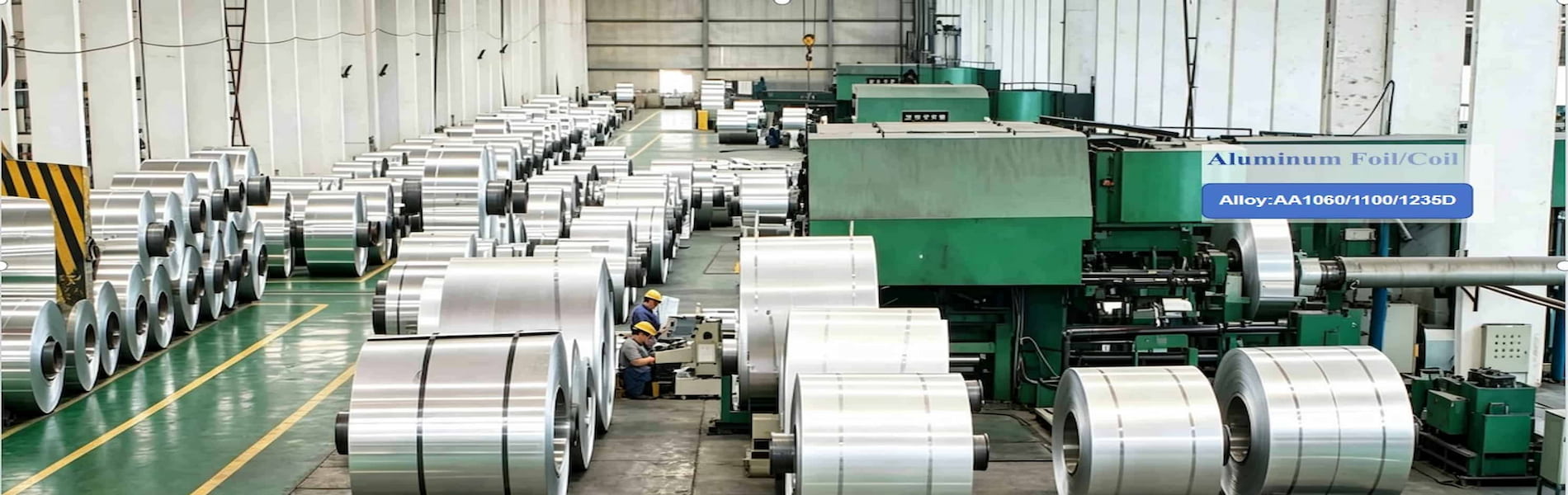
Currently, the battery aluminum foil industry is experiencing significant capacity expansion; by 2025, China's battery aluminum foil shipment volume is projected to reach 563,000 tons, accounting for nearly 80% of global total shipments, indicating ample overall industry supply capacity. However, structural differentiation is becoming increasingly pronounced: competition among low-end conventional specifications (12–15 μm) is intense due to high product homogeneity, while processing fees continue to decline; conversely, there is a supply shortage of ultra-thin, high-precision aluminum foils (below 10 μm, featuring high yield rates and stringent certification requirements) tailored for power batteries with high energy density and long-cycle energy storage applications. The effective supply gap for high-end ultra-thin aluminum foils persists; for instance, 68 μm ultra-thin foil and carbon-coated foil cannot be rapidly expanded through simple capacity increases due to equipment, process, and lengthy certification barriers faced by battery manufacturers.
III. BioPin's Response to challenges
BioPin Company addresses those cahllenges through its advanced production technologies and mature core processes. Currently, our company possesses a well-established carbon coated aluminum foil process with a coating thickness ranging from 8–15 μm; furthermore, we have independently developed a solid-state electrolyte safety protection coating: by leveraging the electronic insulating properties of the solid-state electrolyte, this coating can effectively block the risk of internal short circuits in lithium-ion batteries caused by direct contact between the positive and negative electrode current collectors, thereby reducing the probability of thermal runaway at its root cause, significantly improving the pass rate of battery needle penetration tests, and providing a reliable safeguard for power battery safety.
This approach further enables us to meet market demands for high-end battery aluminum foils and seize the development opportunities arising from the upgrading of the new energy industry.
leave a message
Scan to wechat :

Scan to Whatsapp :

home
products
Contact Us