
A reliable supplier of New Energy Battery Aluminum Materials product .
Anhui BIOPIN IOT Group
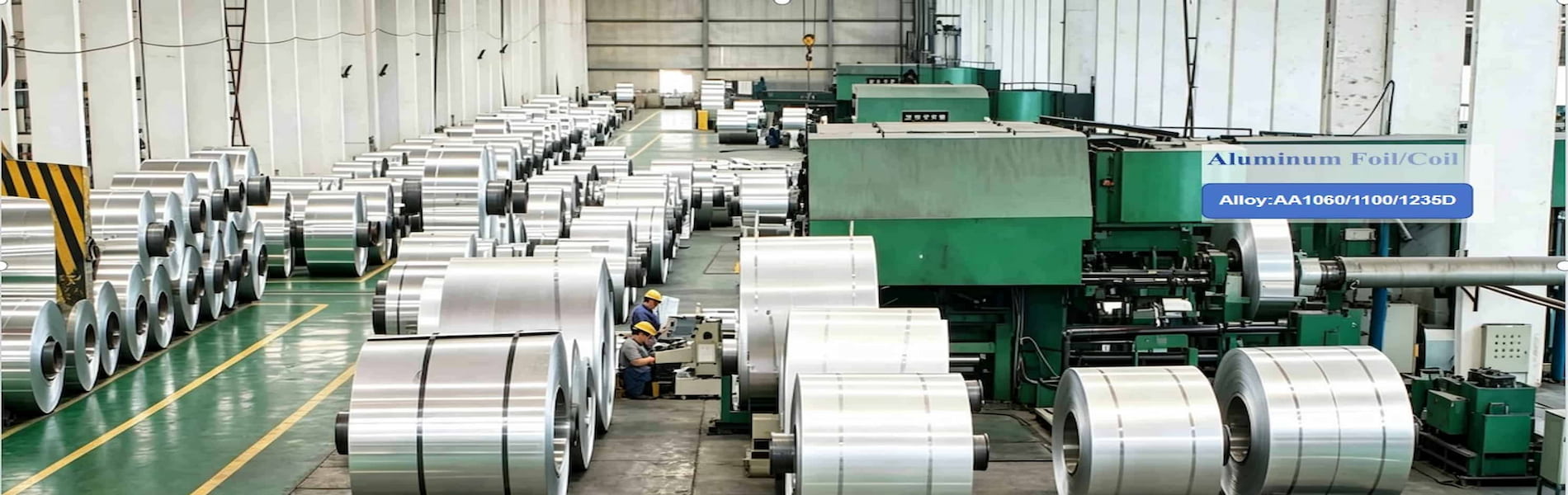

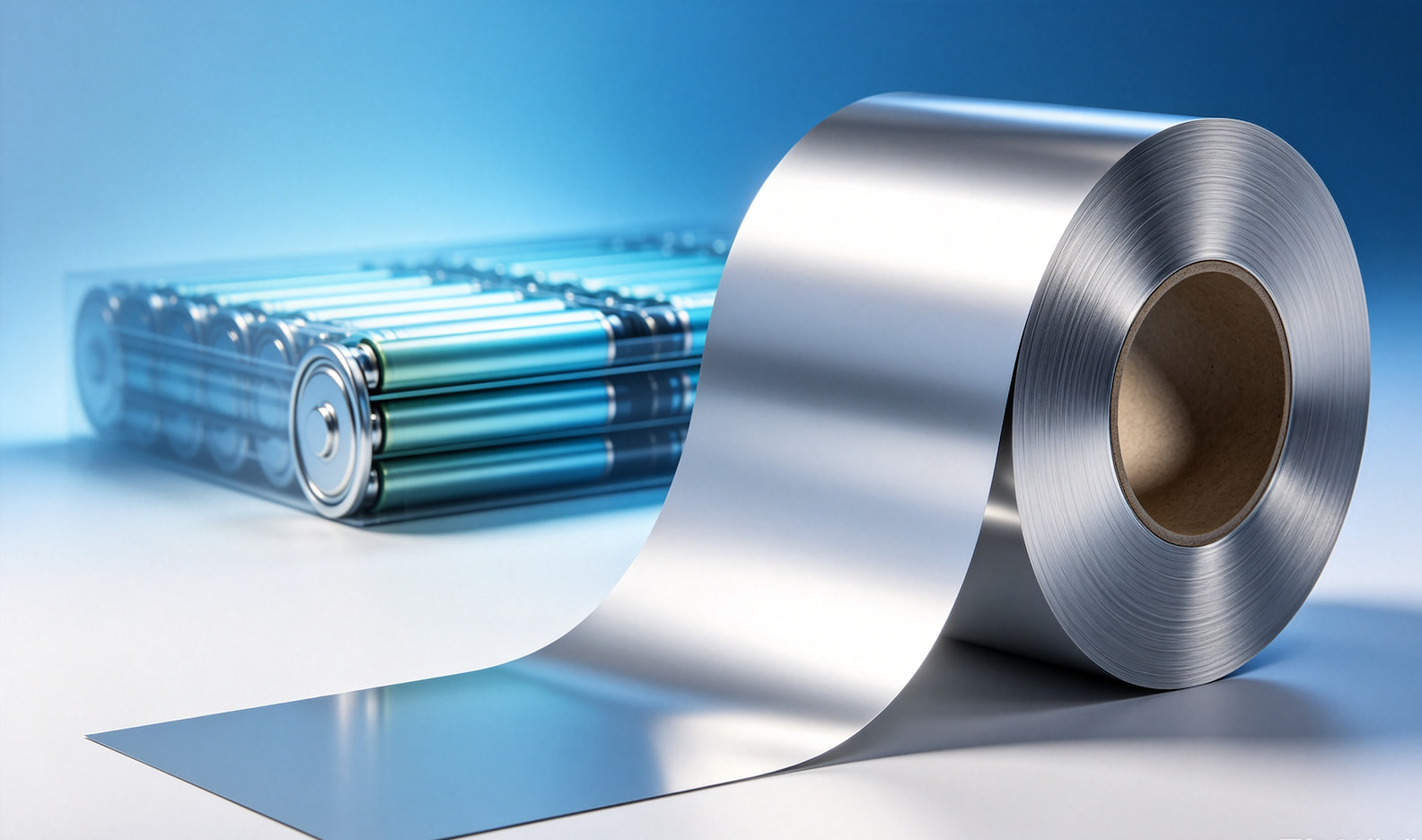
Within the new energy lithium-ion battery industry chain, attention often focuses on core components such as cathode materials, anode materials, and electrolyte, yet a seemingly lightweight yet essential component—the battery aluminum foil—is frequently overlooked. As the exclusive current collector for lithium-ion battery cathodes, this foil with a thickness of only 4–20μm serves as the fundamental guarantee for energy transfer, structural stability, safety, and durability, directly determining the battery's conductivity efficiency, cycle life, and safety performance. This article provides a clear breakdown of the aluminum foil's core functions to help readers fully appreciate its critical value in lithium-ion batteries.
In simple terms, the core structure of a lithium-ion battery features clearly defined functional divisions: the cathode utilizes aluminum foil, while the anode employs copper foil; each component serves a specific purpose and is non-interchangeable. The battery's aluminum foil is not merely a supplementary material but rather serves as the "structural framework" and "conductive hub" for the cathode, fulfilling three fundamental functions throughout the entire charging and discharging process.
Serving As The Structural Foundation Of The Battery
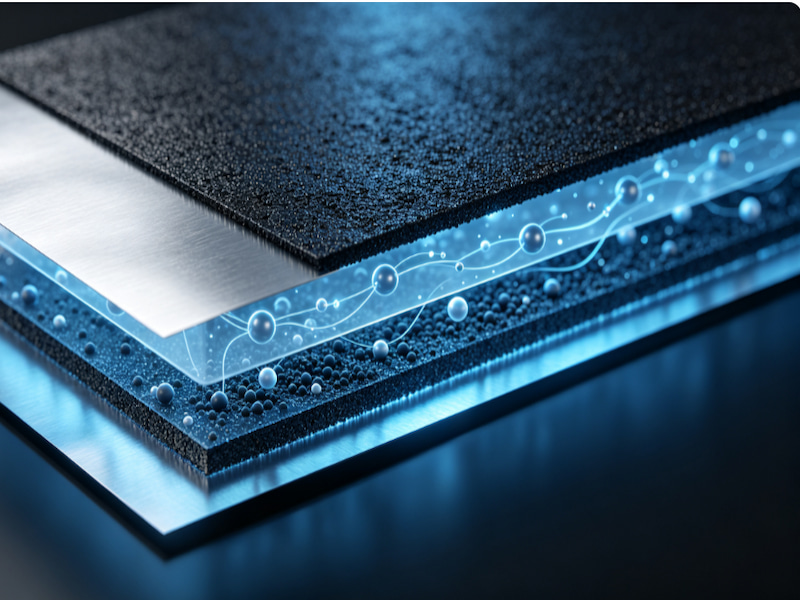
The active materials in lithium-ion battery cathodes—including lithium iron phosphate, ternary materials, and lithium cobalt oxide—are inherently powder-based and cannot be directly formed into conductive shapes; they must be uniformly coated onto a flat, dense aluminum foil surface to form a complete cathode electrode sheet. This makes the aluminum foil the core structural support for the battery cathode, functioning as its "skeletal framework."
High-quality battery aluminum foil features uniform thickness, a smooth surface, absence of pinholes, and high toughness, enabling uniform adhesion of the cathode slurry and preventing production defects such as coating detachment, missed coverage, or strip breaks. Its excellent tensile strength and elongation make it suitable for precision processes like battery winding and stacking. During prolonged charging/discharging cycles and thermal expansion/contraction, it resists wrinkling, cracking, or deformation, ensuring cell structural stability and reducing battery failure risks at the source.
Collecting And Transmitting Current To Reduce Internal Resistance Losses
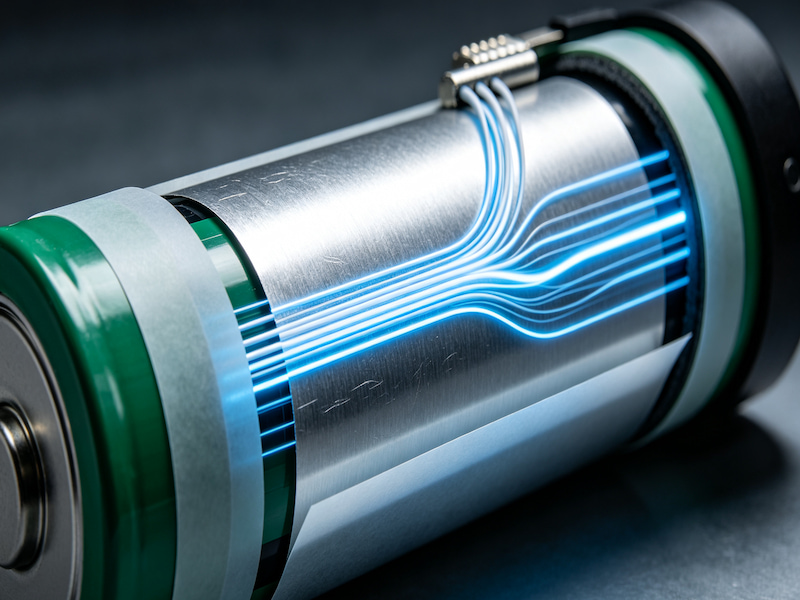
This is the most fundamental electrical function of 'Battery Aluminum Foil'. During lithium-ion battery charging and discharging, redox reactions in the cathode active material generate trace currents; these scattered currents cannot directly supply power externally and require highly conductive current collectors for collection and conduction. Leveraging its ultra-high conductivity, the battery aluminum foil rapidly gathers these microcurrents from the cathode, uniformly transmits them to the tab contacts, ultimately producing a stable high-current output and completing the energy input-output cycle.
The purity and surface cleanliness of battery aluminum foil directly determine its electrical conductivity efficiency. Battery aluminum foil fabricated from high-purity aluminum substrates exhibits extremely low resistance, significantly reducing heat loss during current flow and lowering the cell internal resistance. Lower internal resistance results in reduced heat generation and higher discharge efficiency, thereby enhancing both fast-charging performance of power batteries and energy loss in storage batteries and 3C batteries, ultimately improving overall energy utilization.
High-Voltage And Corrosion Resistance Ensure Long-Term Safe Cycling Of Batteries
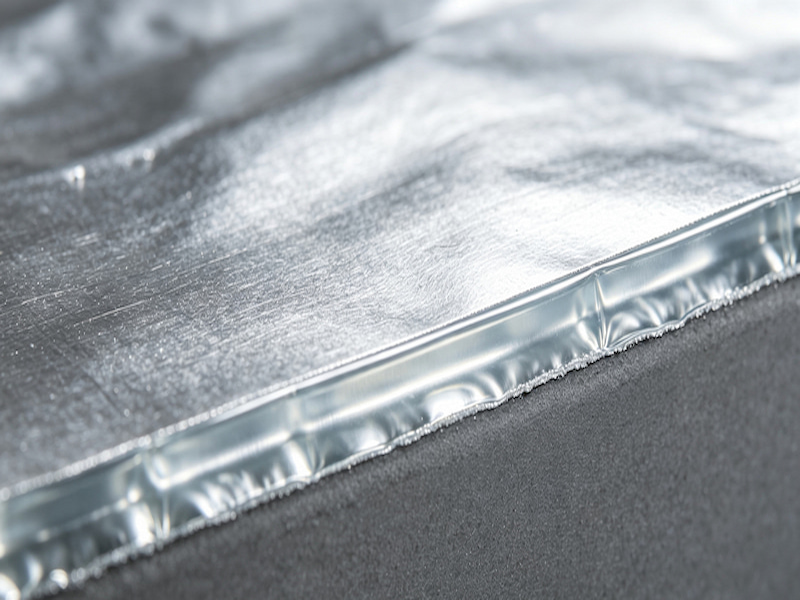
Many wonder: why can only aluminum foil be used for lithium-ion battery cathodes, while copper foil with equally excellent conductivity cannot? The fundamental reason lies in differences in electrochemical stability. The operating potential of a lithium-ion battery cathode reaches 3.5–4.5 V; under such high-potential conditions, copper foil rapidly oxidizes, corrodes, dissolves, and fails, completely losing its conductive properties.
The aluminum surface naturally forms a dense, stable aluminum oxide passivation layer. Under the harsh conditions of high cathode voltage and electrolyte immersion, this layer remains resistant to corrosion and chemical reactions, exhibiting exceptional electrochemical stability that ensures long-term preservation of structural integrity and electrical conductivity. This property is crucial for aluminum foil batteries in ensuring extended cycle life, preventing liquid leakage, and eliminating safety hazards such as short circuits.
Advanced Upgrades
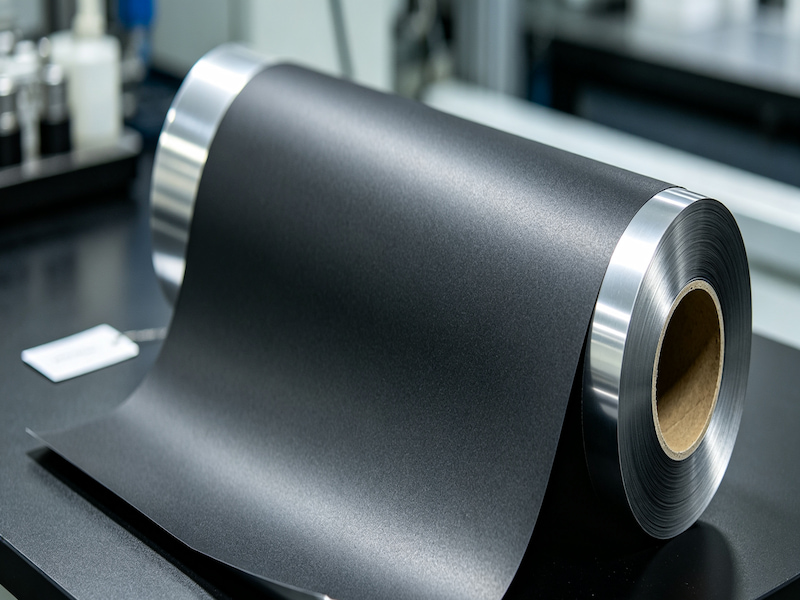
The Value Addition of Carbon Coated Aluminum Foil With the evolution of fast-charging and long-range energy storage batteries, conventional smooth aluminum foil can no longer meet the demands of high-end battery applications, making carbon-coated aluminum foil the prevailing industry upgrade direction. By applying a conductive carbon layer to the aluminum foil surface, interface contact resistance is further reduced, paste adhesion is enhanced, and the interface degradation issue in high-nickel ternary and high-voltage batteries is effectively addressed, thereby extending battery cycle life while enabling compatibility with fast-charging scenarios for 3C devices and beyond. This technology finds extensive application in high-end sectors such as new energy vehicles, large-scale energy storage systems, and sodium-ion batteries.
The seemingly thin aluminum foil used in batteries is truly the "invisible core" of lithium-ion batteries: it supports active materials, stabilizes cell structure, ensures efficient conductivity to reduce energy consumption, and provides high-voltage resistance and corrosion protection to guarantee safety. These three fundamental functions directly determine a battery's performance limits and service life. With the rapid development of energy storage, new energy vehicles, and the sodium-ion battery industry, ultra-thin, highly reinforced, high-purity, and modified carbon-coated aluminum foil has become a key breakthrough for improving lithium-ion battery quality, efficiency, cost reduction, and overall upgrading, as well as a central focus for R&D and production in new energy material enterprises.
leave a message
Scan to wechat :

Scan to Whatsapp :

home
products
Contact Us