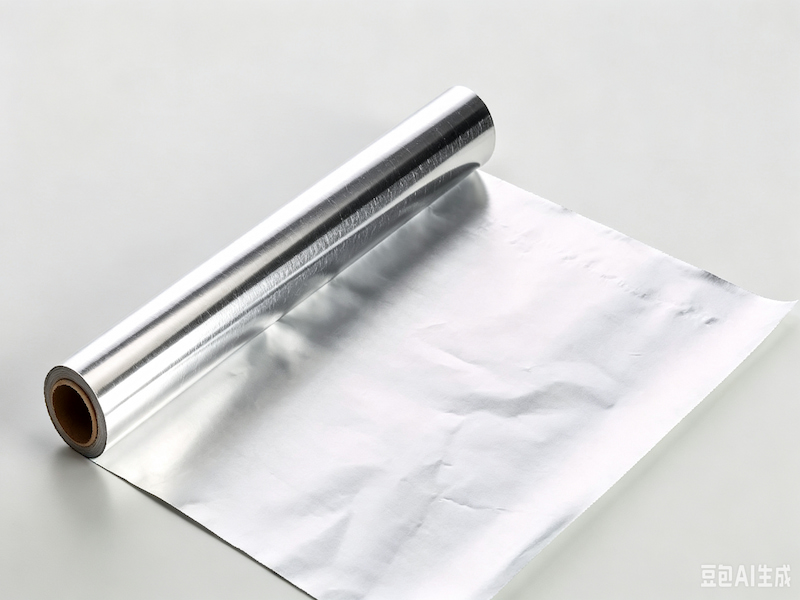
Product categories

Product Information of 12+2+2μm Battery-Grade
Carbon-Coated Aluminum Foil
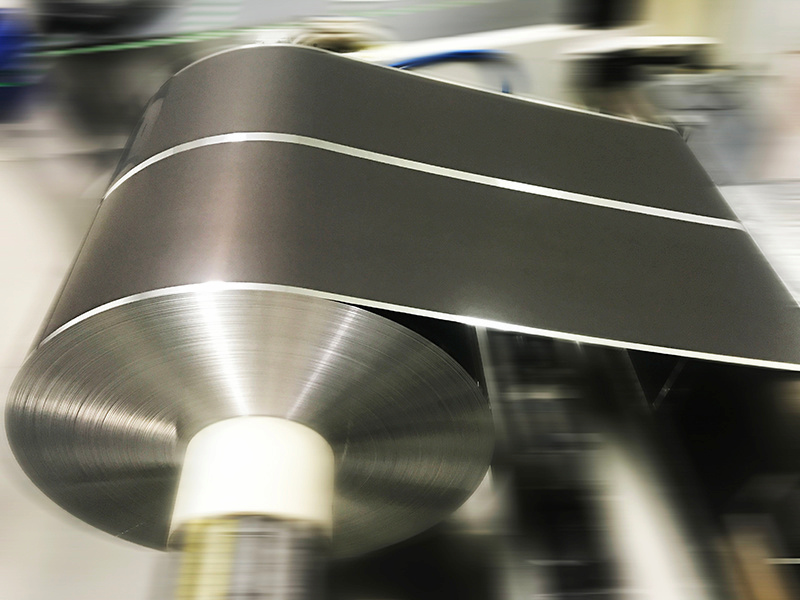
This solution addresses key challenges like powder shedding on high-density electrodes and electrolyte-induced aluminum foil corrosion, helping customers develop sodium-ion batteries, solid-state batteries, and other electrolyte systems with corrosive properties.
1. Technical Parameters
| Applicable Battery | Lithium-ion battery / Sodium-ion battery |
| Alloy | AA1100, AA1060, AA1235D |
| Temper | H18 |
| Aluminum Foil Thickness | 12µm |
| Coating Thickness | 2µm (Single side) 4μm(Double sides) |
| Aluminum Foil Width | 300-1550 mm |
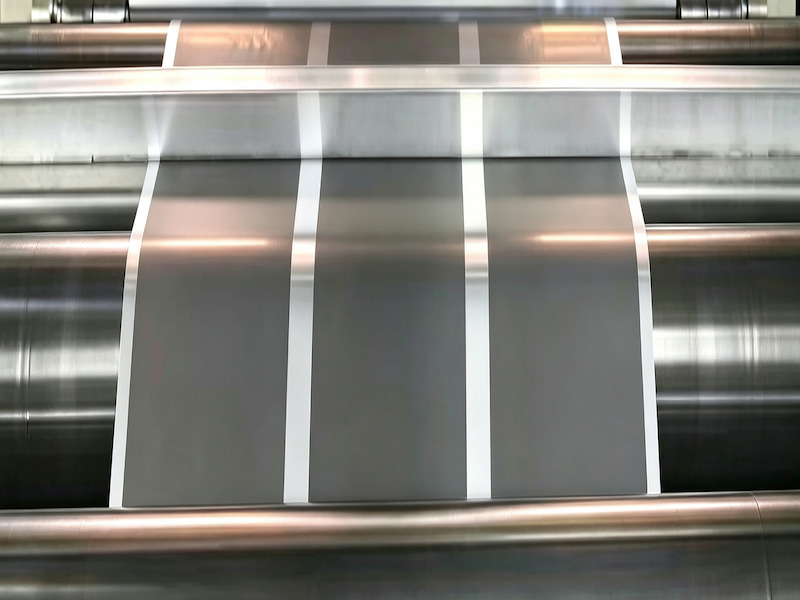
| Alignment of the Coating on the AB Side | <1.0 mm |
| Coating System | Aqueous slurry |
| Coating Surface Density | 0.8±0.2 g/m2 |
| Total Surface Density | 33.2±1.5 g/㎡ |
| Surface Tension | ≥64 dyn/cm |
| Elongation(%) | ≥3.1 |
| Tensile Strength | ≥230 MPa |
| NMP Resistance | Baked at 130 °C for 10 min. Wiping 200 times with NMP, coating remains intact without peeling. |
| Edge Trimming Defect | <100μm |
| Edge Aluminum Chips |
Diameter ≤ 45 μm; Quantity < 50 Diameter 45 - 100 μm; Quantity < 15 Diameter 100 - 120 μm; Quantity < 2 Diameter > 120 μm; Not allowed to appear Total quantity < 50 |
| Appearance | No dents or depressions, scratches, pinholes, pockmarks, edge notches, tower shapes, arrows, end face burrs, impact injury; foil material bonding tape. |
2. Key Benefits of 12+2+2μm Electronic-Grade Carbon-Coated Aluminum Foil
a. Lower surface resistance and enhanced electrical conductivity.
b. Strengthen bonding between active materials and the current collector.
c. Boost high C-rate discharge and fast charging capabilities.
d. Provide a barrier against electrolyte erosion to extend electrode service life.
e. Primarily applicable to LFP, NCM, and NCM cathode systems.
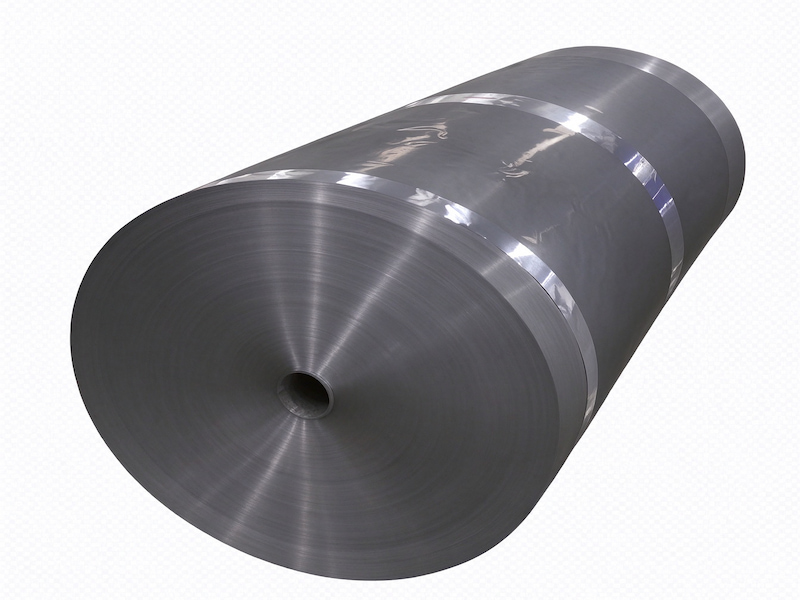
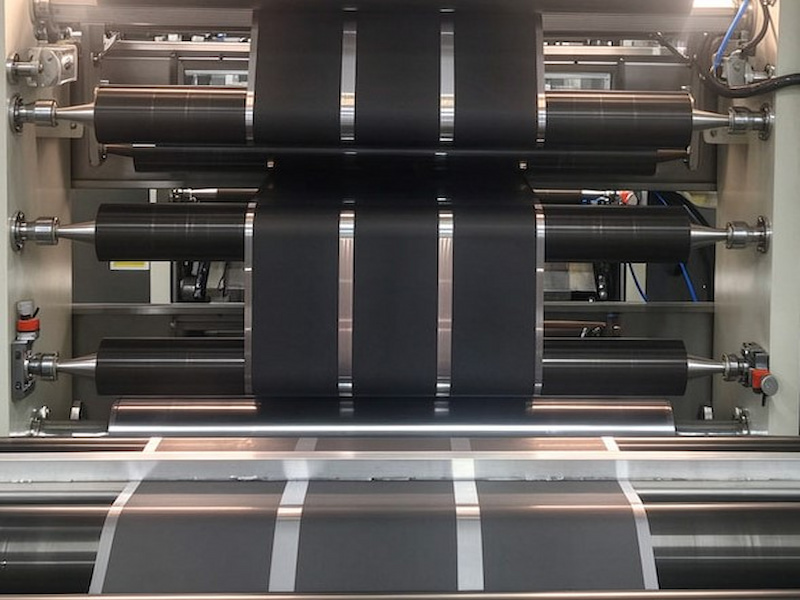
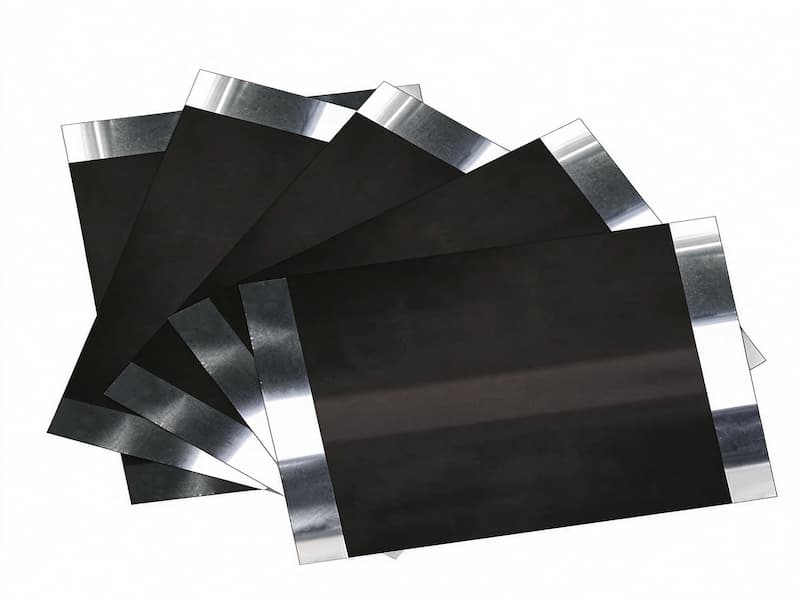
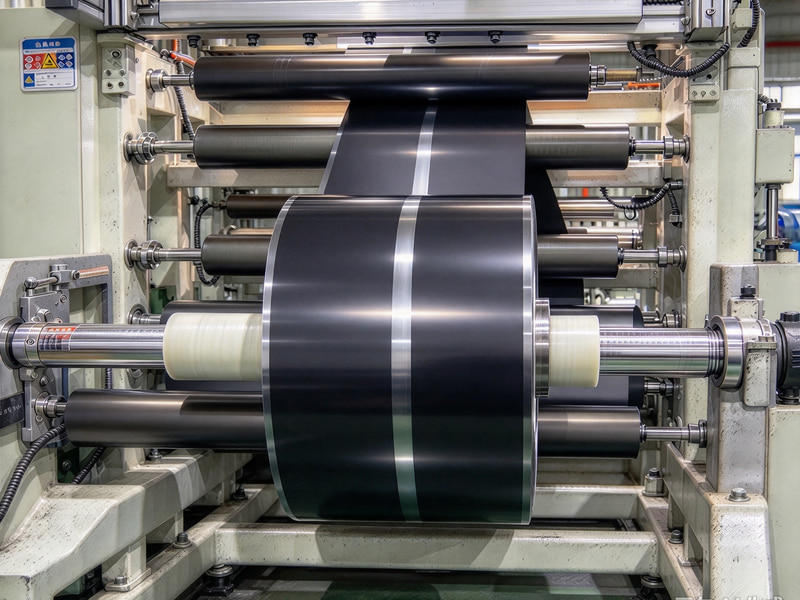
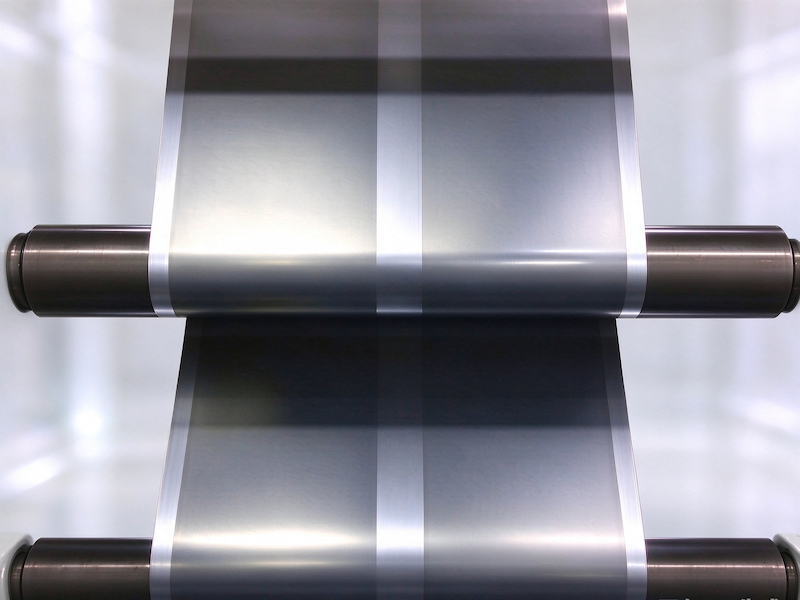
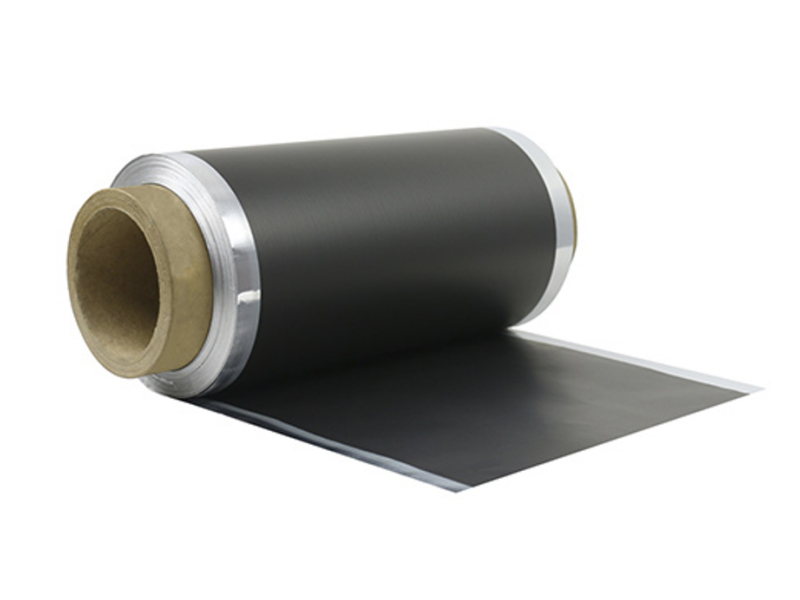
3. Product Image
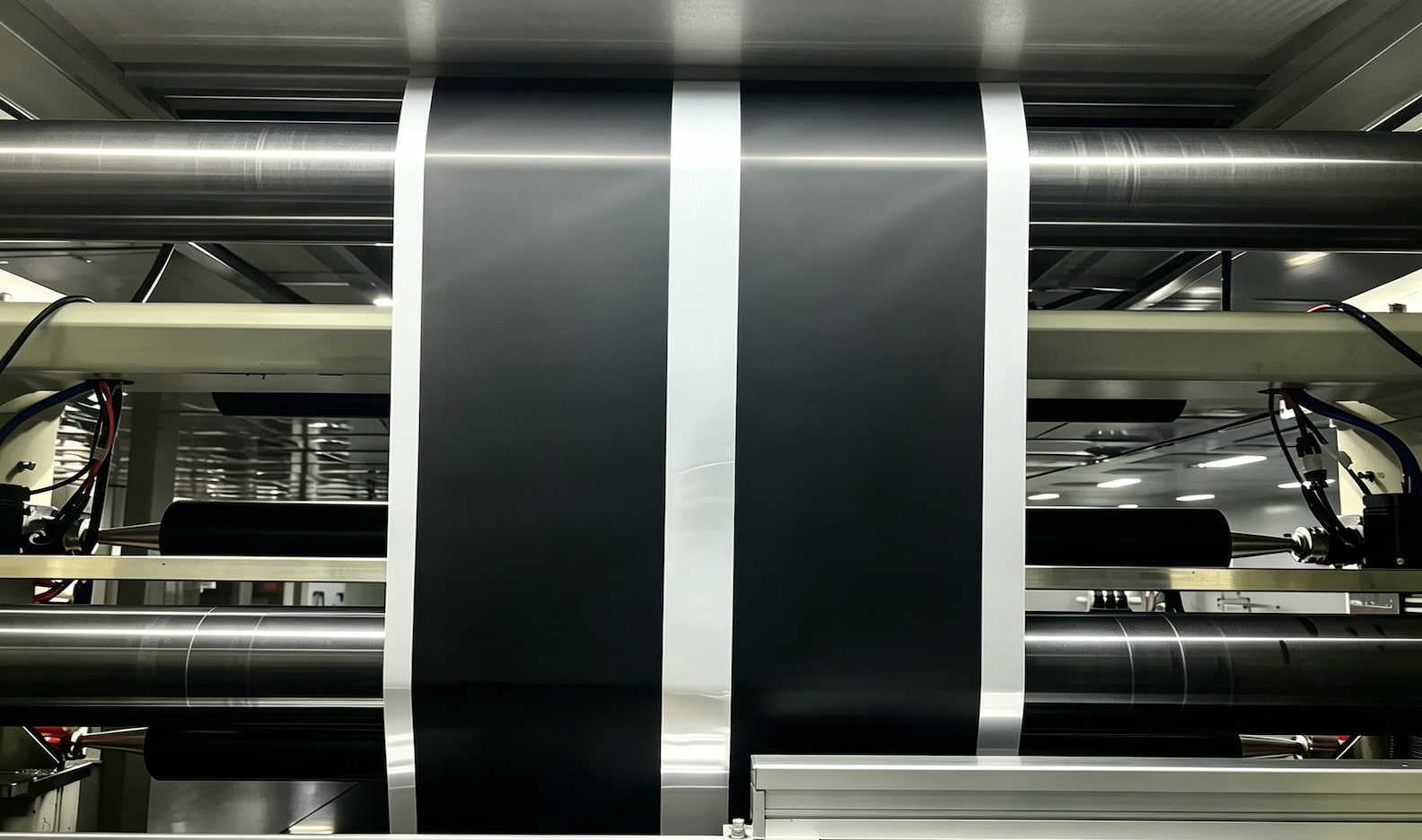
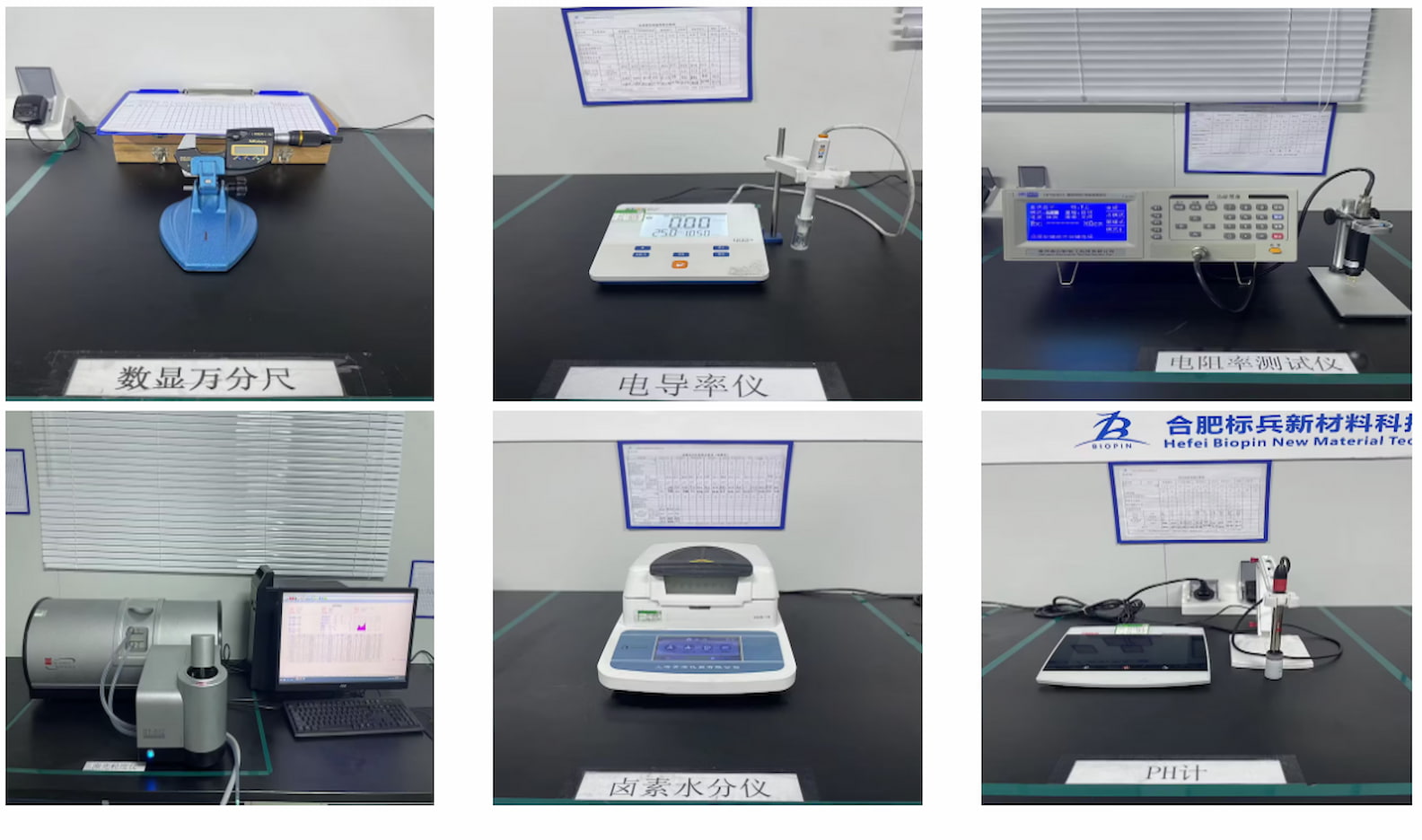
5. Packaging
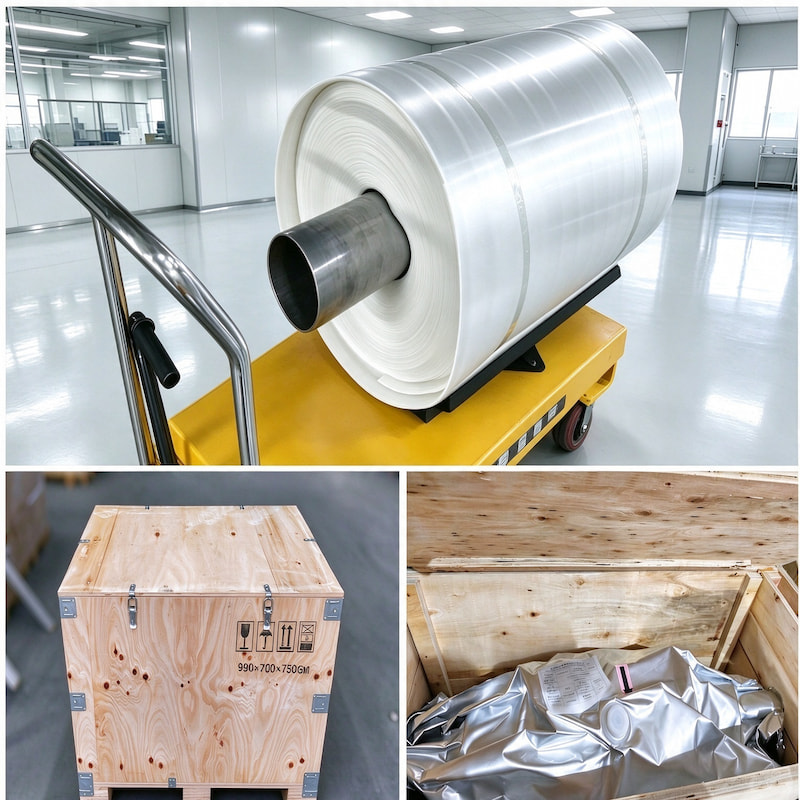
Three processes of packaging to ensure our products are delivered without any damage.
Step 1: A foam baffle is used to ensure the two edges of the battery-grade aluminum foil.
Step 2: Vacuum packaging with aluminum-plastic film.
Step 3: The product is carefully packed in the quick-release wooden case, with a label affixed on each side of the crate.
It is primarily used on the battery's positive current collector; the negative terminal generally uses copper foil.
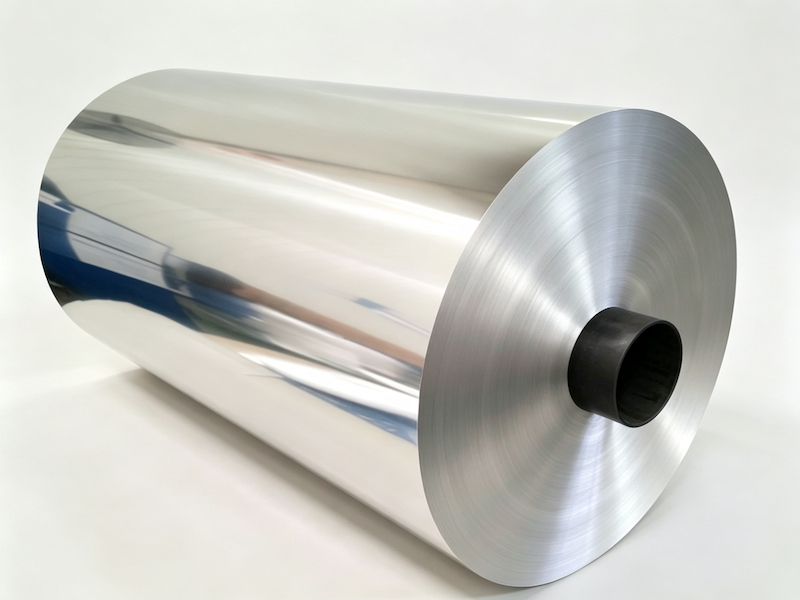
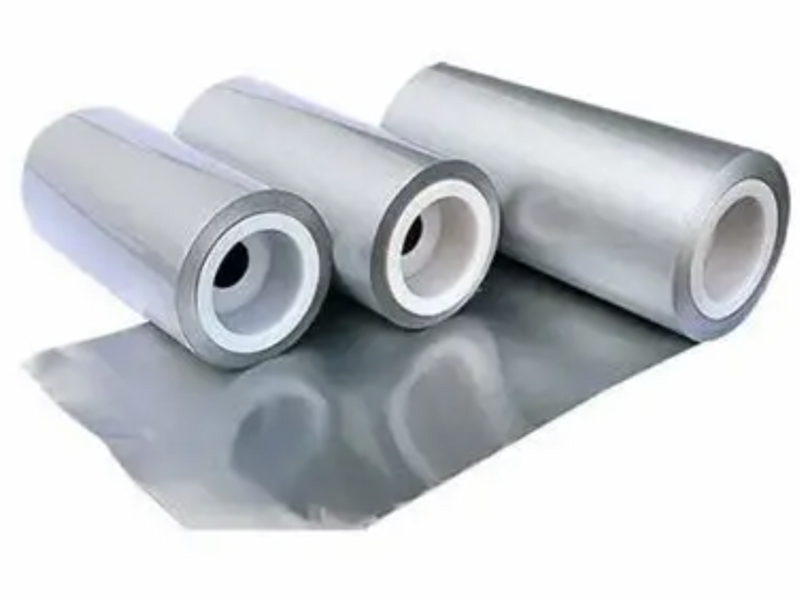
Bare aluminum foil: high resistance, prone to corrosion, and poor paste adhesion; it also tends to shed powder.
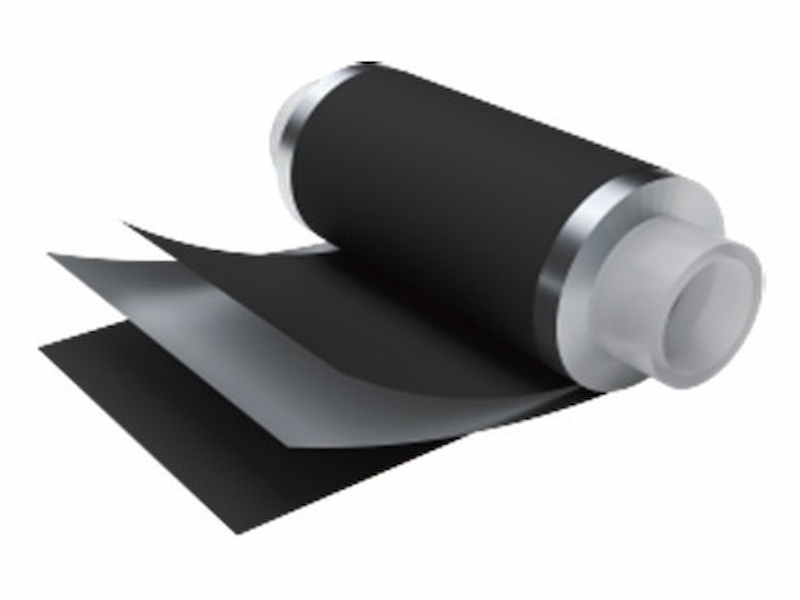
Carbon-coated aluminum foil: features a conductive carbon layer on its surface, resulting in lower contact resistance, stronger adhesion, resistance to electrolyte corrosion, and more stable cycling performance.
No. Our coating has passed the grid test, bending test, and electrolyte immersion test; it also performs normally during coating and roller pressing. After electrolyte injection, no powder will be shed—this is the most fundamental quality assurance.
1060/1100/1235 aluminum foil specifically designed for battery applications; it has high purity and excellent ductility, making it suitable for use in lithium batteries.
We welcome your inquiries and will provide a competitive offer promptly. Contact us at :
leave a message
Scan to wechat :

Scan to Whatsapp :

home
products
Contact Us