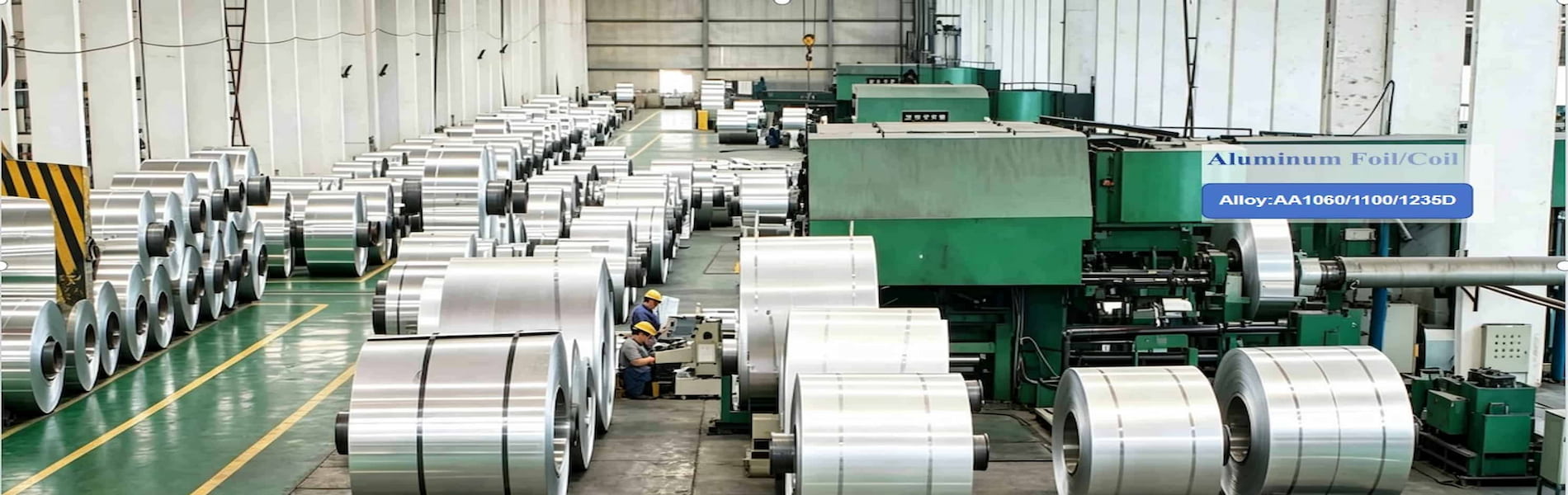
Why Has Carbon Coated Aluminum Foil Become the Preferred Choice for lithium-ion Battery Cathode Current Collectors?
Jun 03, 2026
As lithium batteries increasingly demand higher energy density, faster charging speeds, and longer cycle life, traditional cathode current collectors (pure aluminum foil) face significant challenges. To overcome these limitations and enhance overall battery performance, carbon-coated aluminum foil has emerged as the optimal solution.
What Is Carbon Coated Aluminum Foil?
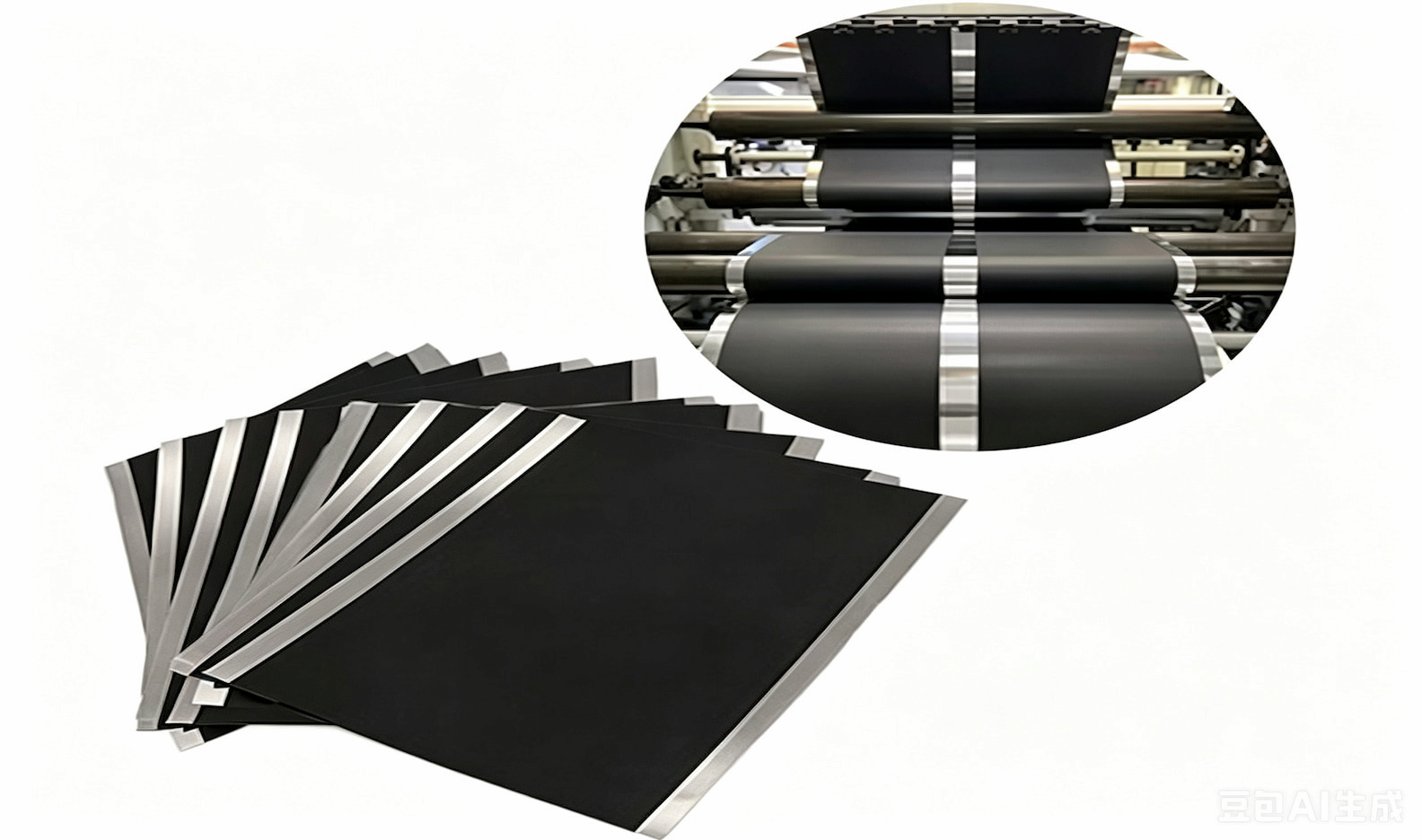
As the name suggests, it refers to aluminum foil coated with a conductive carbon layer approximately 2 µm thick (using either aqueous or oil-based systems). Surface carbon coating is one method of modifying aluminum foil. The conductive carbon layer prevents oxidation and corrosion of the foil, reduces battery polarization, increases surface roughness of the current collector, lowers contact resistance between positive/negative electrode materials and the current collector, enhances lithium-ion diffusion rates, and improves battery rate performance. Compared to conventional aluminum foil, carbon-coated foil reduces electrode sheet resistance, improves battery pack consistency, suppresses dynamic internal resistance increase, and extends battery lifespan.
Why Can Carbon Coated Aluminum Foil Replace Optical Aluminum Foil?
— Key challenges of optical aluminum foil
The interaction between optical aluminum foil and cathode slurry relies solely on PVDF binder to providing limited adhesion. During prolonged high-rate charging and discharging cycles, this often leads to active material powder shedding, accelerating capacity degradation. Additionally, the aluminum foil surface is susceptible to electrolyte corrosion, forming a poorly conductive aluminum oxide film that compromises overall battery performance and shortens service life.
The natural aluminum oxide layer on the foil surface acts as an insulator, creating significant interfacial contact resistance with the cathode active material. This increases internal battery resistance, further limiting electron transport efficiency and adversely affecting battery performance.
— Performance advantages of carbon-coated aluminum foil
Conductivity. The carbon coating on carbon-coated aluminum foil is an excellent conductor, forming a three-dimensional conductive network between active particles and the aluminum matrix, significantly reducing electron transport barriers. Consequently, this material lowers interfacial contact resistance, enhances battery rate performance, reduces charging and discharging polarization, improves voltage stability, with particularly notable advantages in thick electrodes or high-rate applications.
Adhesion.The carbon layer coated with carbonized aluminum foil exhibits a high specific surface area and abundant functional groups (-COOH, -OH), enabling stronger interactions with fluorine atoms in PVDF. This enhances the coating feasibility and adhesion of the current collector, significantly reducing the risk of delamination during drying, rolling, and cycling processes. Consequently, it allows for higher rolling compaction densities without powder detachment, accommodates thicker electrode designs, and fundamentally eliminates the risk of internal micro-short circuits caused by powder shedding.
Protect the carbon coating manifests in two aspects: first, physical isolation that safeguards the battery current collector from corrosion by the cathode material; second, the electrochemical inertness of the carbon material itself within the battery's voltage range. This directly impacts the battery's cycle life and storage performance under high-current and high-voltage conditions, while reducing cell swelling caused by gas generation due to corrosion.
Cycle and rate performance. Carbon-coated aluminum foil enhances contact resistance to suppress corrosion, exhibits superior adhesion compared to conventional aluminum foil, and demonstrates long-term reliability and consistency under cyclic and high-rate operating conditions.
What Are the application scenarios of carbon coated aluminum foil?
Power batteries (for automobiles and energy storage systems), meeting the requirements of high energy density and extended cycle life.
3C batteries (for smartphones and laptops), enhancing their high-rate charging/discharging capabilities and supporting fast-charging technology.
In other electronic applications, carbon-coated aluminum foil is also suitable for high-frequency electronic devices and sensors due to its excellent barrier properties and electrical conductivity.
EV
ESS
3C
According to QYR's forecast, the global market size for conductive carbon coated aluminum foil will grow at a compound annual growth rate of 15.23% from 2025 to 2031, reaching $2.566 billion by 2031.
Overall, the numerous superior properties of carbon coated aluminum foil have made it a key component for enhancing the competitiveness of battery products. With continuous technological advancements and growing market demand, his material is poised to play an even greater role in the future. Currently, BioPin has established partnerships with leading new energy battery and vehicle manufacturers such as Gotion, AVIC, REPT, GREAT POWER and AMPRIUS to supply carbon coated aluminum foil on a large scale. If you are seeking a highly reliable current collector solution for next generation battery products, please contact us to obtain samples and technical specifications for carbon coated aluminum foil, and join us in exploring ways to enhance performance.
Read More